

Namibia moves closer to exporting table grapes to China as market access expands
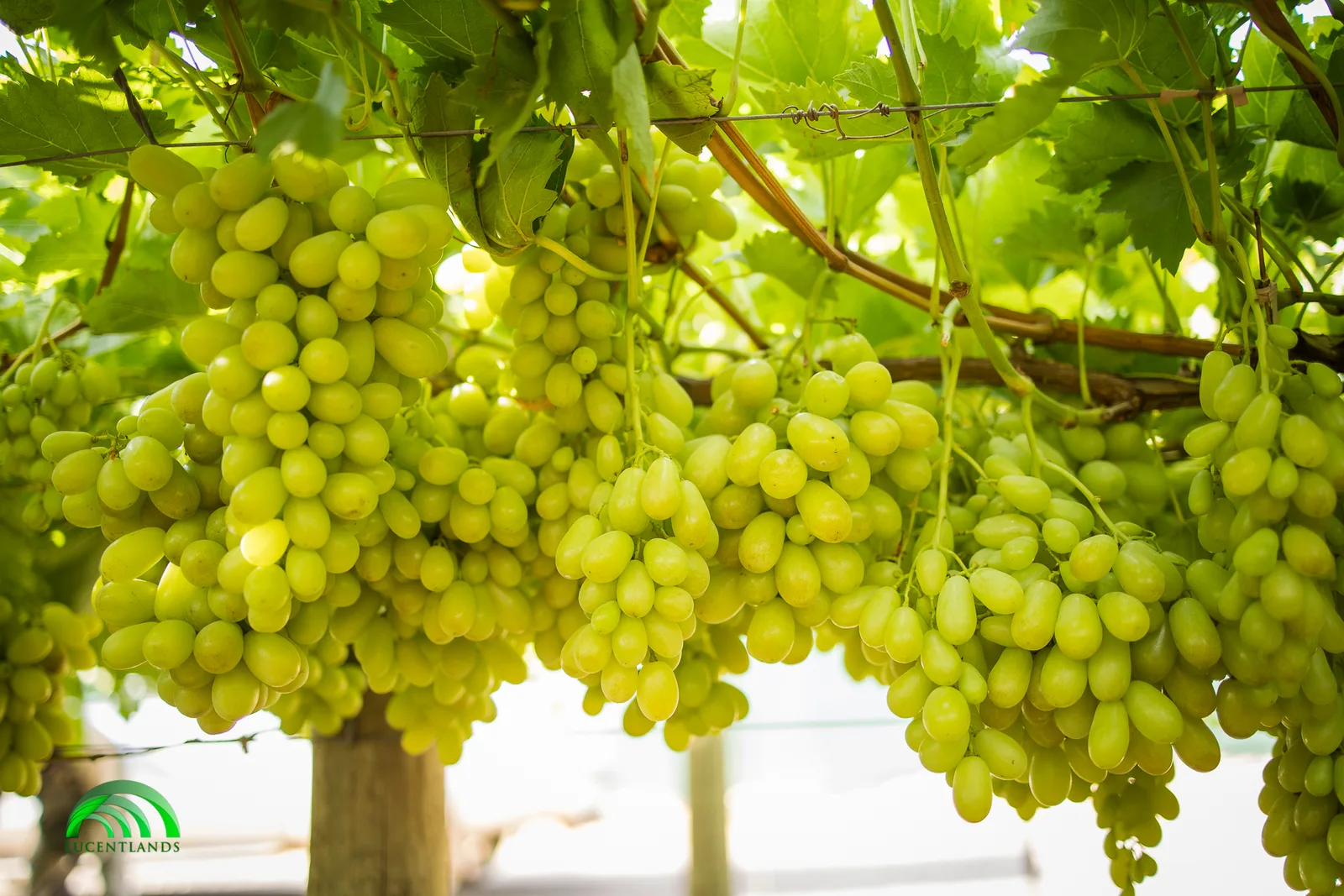
Namibia is moving closer to establishing commercial table grape exports to China, with Chinese agricultural experts scheduled to inspect the country's grape-producing areas in December 2026.
The development follows the signing of a phytosanitary export protocol between the two countries in July and represents another important step in expanding market opportunities for Southern Africa's table grape industry.
Chinese Ambassador to Namibia Zhao Weiping announced the planned inspection during a press briefing in Windhoek on 3 November, confirming that the two governments were progressing with agricultural trade agreements reached during Namibian President Netumbo Nandi-Ndaitwah's state visit to China in July.
During the visit, Namibia's Ministry of Agriculture, Fisheries, Water and Land Reform and China's General Administration of Customs signed a protocol establishing the phytosanitary requirements for exporting fresh Namibian table grapes to China.
The agreement, signed on 10 July, provides the regulatory framework for market access, while the forthcoming inspections are intended to verify compliance with China's requirements before regular commercial shipments begin.
A new market for Namibia's growing grape industry
Namibia has developed an established export-oriented table grape industry, concentrated primarily along the Orange River in the country's southern regions. Production is centred around Aussenkehr and neighbouring irrigated areas, where hot, dry growing conditions allow growers to produce early-season table grapes for Northern Hemisphere markets.
The industry has traditionally depended heavily on European destinations, particularly the Netherlands, United Kingdom and Germany. According to figures reported by Namibia's Statistics Agency, table grapes contributed approximately N$561 million to the country's horticultural exports during the first quarter of 2026, demonstrating the crop's importance to the agricultural export economy.
Access to China would provide an opportunity to diversify this market dependence and potentially improve commercial returns for growers.However, Namibian producers have cautioned that strict Chinese import requirements could complicate shipping arrangements and delay the start of commercial exports.
Strict phytosanitary requirements
Under the July agreement, Namibian table grapes destined for China must comply with comprehensive phytosanitary measures designed to prevent the introduction of harmful pests and diseases. These include the registration of production orchards, packhouses and cold-treatment facilities, together with requirements for pest management, packaging, traceability and pre-export inspections.
Chinese authorities will also conduct inspections on arrival to ensure that consignments meet the country's import requirements. The planned December visit is therefore an important step in translating the bilateral agreement into practical commercial access.
Although the protocol establishes the basis for trade, the timing of the first shipments remains uncertain, particularly given the technical requirements and the relatively short early-season marketing window.
Zero tariffs strengthen African export opportunities
Namibia's progress comes alongside China's introduction of zero-tariff treatment for all 53 African countries with which it maintains diplomatic relations. The expanded arrangements took effect on 1 May 2026 and cover all tariff lines, subject to applicable trade conditions and rules of origin.
Ambassador Zhao encouraged Namibian exporters to take advantage of the new arrangements and improved export procedures to develop their presence in China. The tariff concessions offer opportunities for African agricultural exporters, including both Namibia and South Africa, to improve their competitiveness in the Chinese market.
Implications for South Africa's table grape industry
For South Africa, Namibia's progress represents an important development within the wider Southern African table grape export sector. The two industries share similar production conditions along the Orange River and compete in several international markets during overlapping early-season supply periods.
South Africa already has established phytosanitary access for table grapes to China, although the market currently accounts for a relatively small proportion of its total exports. According to industry market information, China and Hong Kong together receive approximately 1% of South African table grape exports, while Europe and the United Kingdom remain the dominant destinations.
Namibia's entry into China could strengthen the region's overall presence in the Chinese market and create opportunities for more consistent supply programmes. For South African exporters, the development reinforces the importance of expanding market share in Asia, improving logistics efficiency and maintaining high standards of fruit quality and phytosanitary compliance.
A wider shift towards Asian markets
Namibia's prospective entry into China reflects a broader effort by Southern African fresh produce industries to diversify beyond traditional European markets. South African fruit exporters are similarly pursuing improved access to Asian destinations, with recent progress in opening markets for additional deciduous fruit products.
For both countries, successfully developing these markets requires more than favourable tariff arrangements. Reliable cold-chain logistics, competitive pricing, suitable varieties and consistent compliance with importing countries' technical requirements will determine commercial success.
The planned inspection of Namibian table grape farms represents another step towards integrating Southern Africa more closely into China's fresh produce supply chain. While the first commercial shipments have yet to be confirmed, the development highlights growing opportunities for regional exporters and the increasing importance of Asian markets in shaping the future of Southern African table grape trade.
Sources:
Windhoek Observer
https://observer24.com.na/china-eyes-grape-exports
The Namibian
https://www.namibian.com.na/namibian-grapes-to-face-tough-china-import-regulations
Freshplaza
Chinese Government
https://english.www.gov.cn/policies/policywatch/202605/01/content_WS69f45e35c6d00ca5f9a0ac01.html