

Cape Town Container Terminal improvements face crucial test as deciduous fruit export season gathers momentum
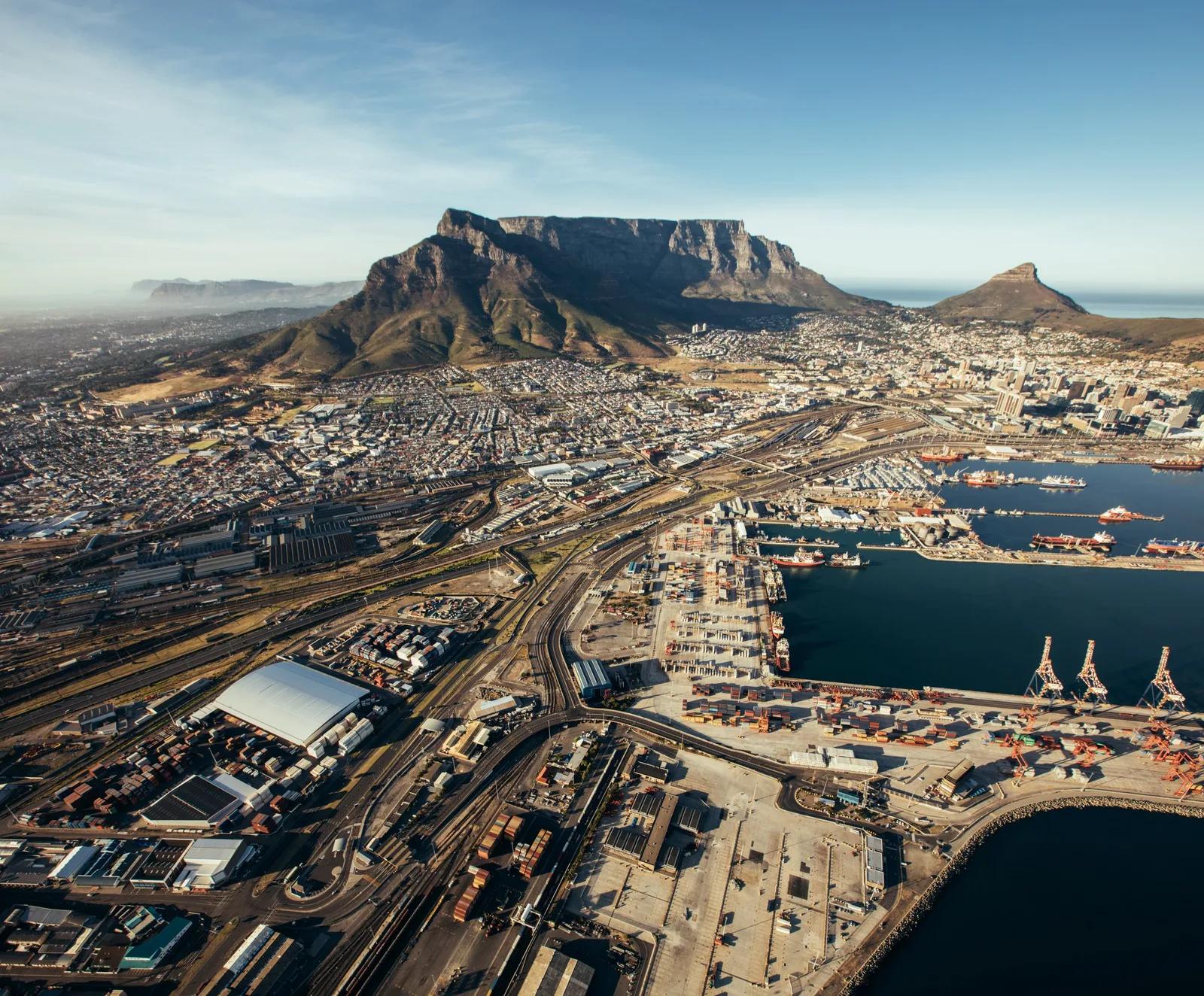
After years of operational difficulties and costly shipping disruptions, the Cape Town Container Terminal is entering South Africa's 2026/27 deciduous fruit export season with new equipment, improved vessel turnaround times and a comprehensive operational plan developed in consultation with the fruit industry.
With the peak export period approaching, the coming months will provide the clearest indication yet of whether these improvements can deliver the reliability required by South Africa's table grape, stone fruit and pome fruit exporters.
The Port of Cape Town is the principal export gateway for fresh produce grown in the Western Cape, with the busiest shipping period extending from November through April.
Transnet Port Terminals (TPT) has prepared for a potentially demanding season, initially anticipating a 13% increase in deciduous fruit export volumes compared with last year.
Although recent downward revisions to stone fruit export estimates may affect actual volumes, the anticipated pressure on terminal operations remains substantial.
New equipment begins delivering results
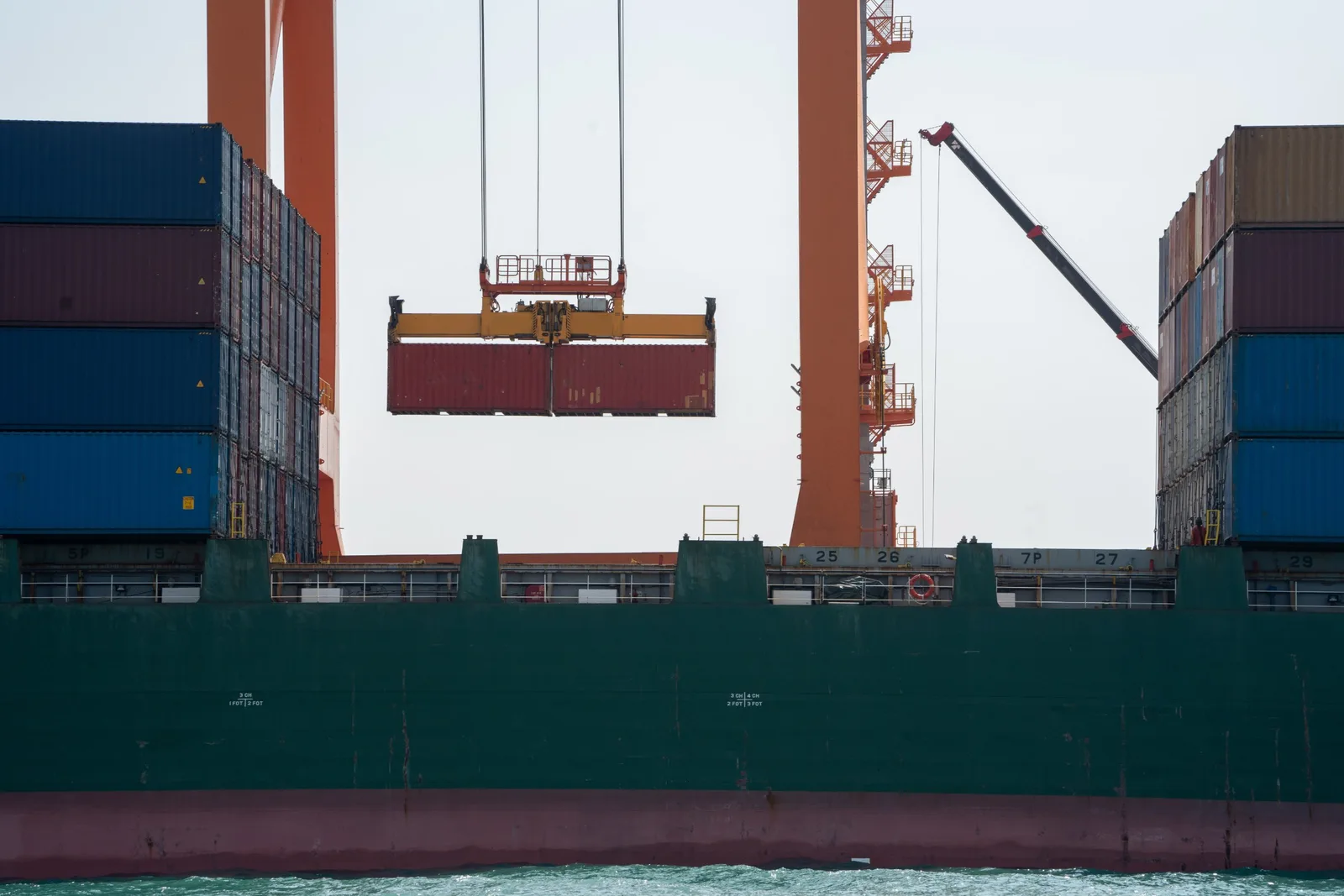
One of the most significant developments has been the introduction of 28 new rubber-tyred gantry cranes and four additional straddle carriers, strengthening the terminal's capacity to move and stack containers. The investment follows years of concern about ageing equipment, insufficient maintenance and low crane productivity.
Early performance indicators have been encouraging. According to Transport Minister Barbara Creecy, average vessel waiting times improved from approximately 115 hours to 44 hours during 2026, while ship turnaround times declined from 103 hours in 2023/24 to approximately 55 hours in the current financial year. Engineering News reports that container throughput also increased by 16% during the first quarter of the 2026/27 financial year compared with the corresponding period last year.
More recently, international logistics company Kuehne+Nagel reported that Cape Town Container Terminal handled 18,886 twenty-foot equivalent units (TEUs) during the week ending 1 November, exceeding its weekly throughput target by 26%. Average vessel waiting times during that period were below one day, demonstrating improved waterside performance ahead of the fruit export peak.
New operating rules aim to improve reliability
Following discussions involving Transnet, fruit industry representatives, major customers and Minister Creecy, CTCT has introduced a revised operating framework for the 2026/27 season. Central to the plan is a fixed weekly vessel schedule supported by a 21-day berthing forecast, providing exporters with greater visibility when planning shipments. Changes to vessel calls must be communicated at least seven days before their allocated berthing slots.
New refrigerated container procedures include defined stack opening and closing periods, daily monitoring of cargo deliveries and arrangements for managing exceptional late-arriving consignments. At least 95% of planned refrigerated container volumes must be delivered before stack closure to support scheduled vessel departures.
The terminal has also recruited additional seasonal employees, strengthened festive-season staffing arrangements and introduced a dedicated 24-hour customer support hotline.
Planning around Cape Town's notorious winds
While new equipment and improved management can address operational inefficiencies, Cape Town's strong summer winds remain an unavoidable challenge. According to Freight News, wind was responsible for 68% of closure hours at the Cape Town Container Terminal (CTCT) between January and October this year. In response to this massive challenge, the terminal has consequently introduced specific procedures to manage weather-related interruptions and minimise their consequences for shipping schedules.
Any wind-related disruption lasting six hours or longer will trigger consultation with affected shipping lines and a review of the following 14 days' berthing arrangements. Vessel scheduling will then be adjusted according to cargo readiness and operational capacity. The objective is to prevent weather-related delays from escalating into prolonged congestion once conditions improve.
Industry cooperation has also produced practical solutions. Hortgro, SATI, FPEF and other partners previously helped fund temporary generator-powered refrigerated container plug points, allowing additional fruit containers to remain safely refrigerated during disruptions. Hortgro reported that an initial R1.4 million investment saved the industry more than R3 million, demonstrating the value of targeted cooperation between exporters and terminal operators.
The real test lies ahead
Despite the improvement in performance indicators, the fruit industry's confidence will ultimately depend on sustained reliability throughout the summer peak. According to Cape Business News, the port improvements face their real test in the 2026/2027 summer fruit season. Cape Town's capacity to recover quickly after wind interruptions, maintain sufficient crane productivity and coordinate refrigerated cargo movements will be particularly important.
For South African fruit growers, the improvements at Cape Town offer the prospect of more predictable shipping schedules, fewer costly diversions and better protection of fruit quality. However, the decisive measure of success will be the terminal's performance during the busiest weeks of the season. Reliable port operations are essential to ensuring that growers' investments in producing export-quality fruit translate into competitive deliveries, satisfied international customers and sustainable returns.
Sources:
Freight News
https://freightnews.co.za/article/905-hours-at-ctct-gone-with-the-wind
Cape Business News
Kuenhe+Nagel
https://mykn.kuehne-nagel.com/news/article/cape-town-container-terminal-performance
Engineering News
Hortgro
https://www.hortgro.co.za/news/hortgro-co-funding-at-port-of-cape-town-saves-industry-money