

Rising fuel costs squeeze fresh produce margins, but supply remains key to prices

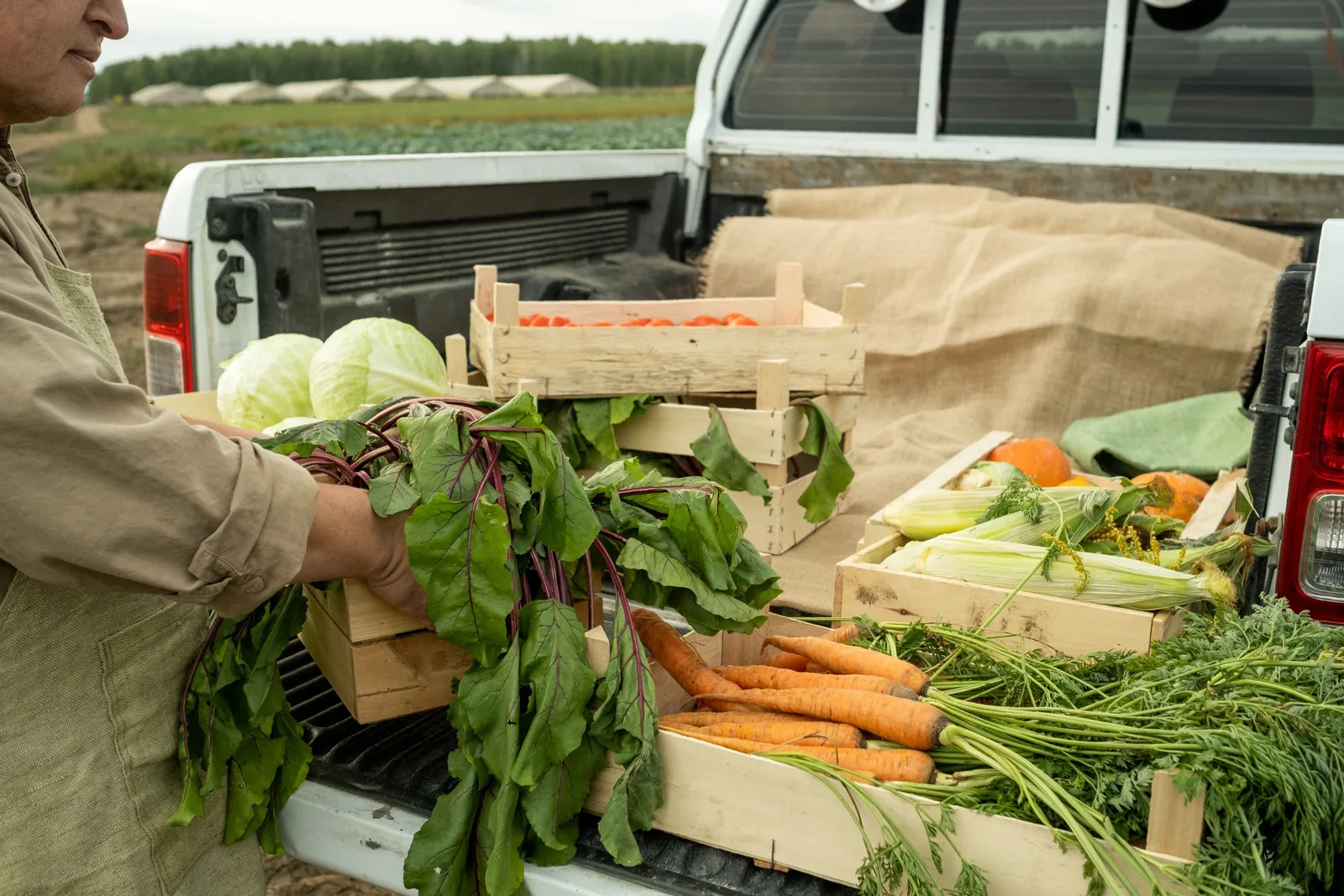
South Africa's steep fuel price increases are placing additional pressure on fresh produce growers and distributors, but higher transport costs do not necessarily translate directly into higher fruit and vegetable prices.
According to RSA Group CEO Jaco Oosthuizen, the country's strong agricultural production capacity and established fresh produce market system remain important factors in keeping produce affordable, even as growers face increasingly challenging operating costs.
In a November 2026 statement examining the relationship between fuel costs and fresh produce prices, Oosthuizen argues that supply and demand remain the principal drivers of prices, with fuel-related increases adding pressure throughout the value chain.
The concern is understandable. South Africa experienced substantial fuel price increases during 2026, driven largely by international energy market disruptions associated with conflict in the Middle East. The Bureau for Economic Research reported in November that fuel prices were 42.9% higher than a year earlier, illustrating the scale of cost increases affecting the broader economy.
According to Statistics South Africa (Stats SA), headline consumer inflation reached 5.2% in October, up from 4.5% in September. Fuel prices increased by 11.8% during October alone, becoming a major contributor to rising inflation. However, fresh produce prices have not followed the same pattern consistently.
Fresh produce prices tell a different story
Despite rising fuel costs, South African fruit and vegetable prices remained relatively subdued for much of 2026. Stats SA's August consumer price data showed fruit prices declining by 5.5% year on year, while vegetable prices were 0.6% lower.
More recent figures indicate some renewed upward pressure, with annual vegetable inflation reaching 8.1% in October. This illustrates how quickly conditions can change within individual produce categories. Oosthuizen maintains that these fluctuations are primarily influenced by production volumes, weather and market demand rather than fuel prices alone.
Strong supplies of potatoes and tomatoes have kept prices relatively soft during parts of 2026, benefiting consumers but placing pressure on producer returns. Onions, conversely, experienced significant price increases following heavy rainfall and delayed planting in important production regions, compounded by demand from neighbouring countries. These examples demonstrate that fuel costs are one factor among several influencing fresh produce pricing.
Growers absorb much of the pressure
Higher fuel prices increase agricultural production, packaging and transport costs. Although government introduced temporary fuel levy relief in November, significant cost pressures remain.
Oosthuizen warns that growers and other supply chain participants can only absorb these increases to a point before passing some costs on to consumers. Meanwhile, producers face shrinking profit margins when market conditions prevent higher selling prices.
South Africa's fresh produce markets provide an advantage
A central argument in Oosthuizen's assessment is that South Africa's fresh produce marketing system helps balance supply, demand and prices. Unlike systems heavily dependent on supermarket contracts, South African growers can sell through municipal fresh produce markets, retailers and export channels, allowing them to market different grades and volumes according to demand.
The national fresh produce markets also provide transparent daily pricing information, reflecting changing supply and demand conditions. Oosthuizen emphasises that the system enables growers to sell substantial volumes despite market fluctuations, supporting competitive consumer prices and sustainable producer returns. However, rising transport and operating costs continue to squeeze grower margins, even when market prices remain stable.
Uncertainty remains for the year ahead
Although fuel price relief and the possibility of lower international oil prices offer some encouragement, the outlook remains uncertain. Oosthuizen also identifies weather conditions, particularly the possible effects of El Niño, as a significant risk to agricultural production over the next 12 to 24 months. Reduced harvests caused by drought or extreme weather could place greater upward pressure on fresh produce prices than fuel increases alone.
For South African growers, the distinction between rising production costs and market prices is particularly important. While the country's productive capacity and flexible marketing system help maintain affordable supplies for consumers, growers cannot always recover higher fuel and logistics expenses. Protecting profitability will increasingly depend on efficient production, cost management, reliable infrastructure and access to diverse markets that enable growers to achieve sustainable returns.
Sources:
RSA Group - Petrol Price Impact on Fresh Produce Prices (November 2026). Media statement by Jaco Oosthuizen, CEO of RSA Group, supplied for this article. Primary source for the discussion of agricultural production capacity, supply and demand, fuel costs and South Africa's fresh produce market system.
Statistics South Africa
Department of Minerals and Petroleum Resources