

South African stone fruit export forecast slashed as unseasonal weather takes its toll
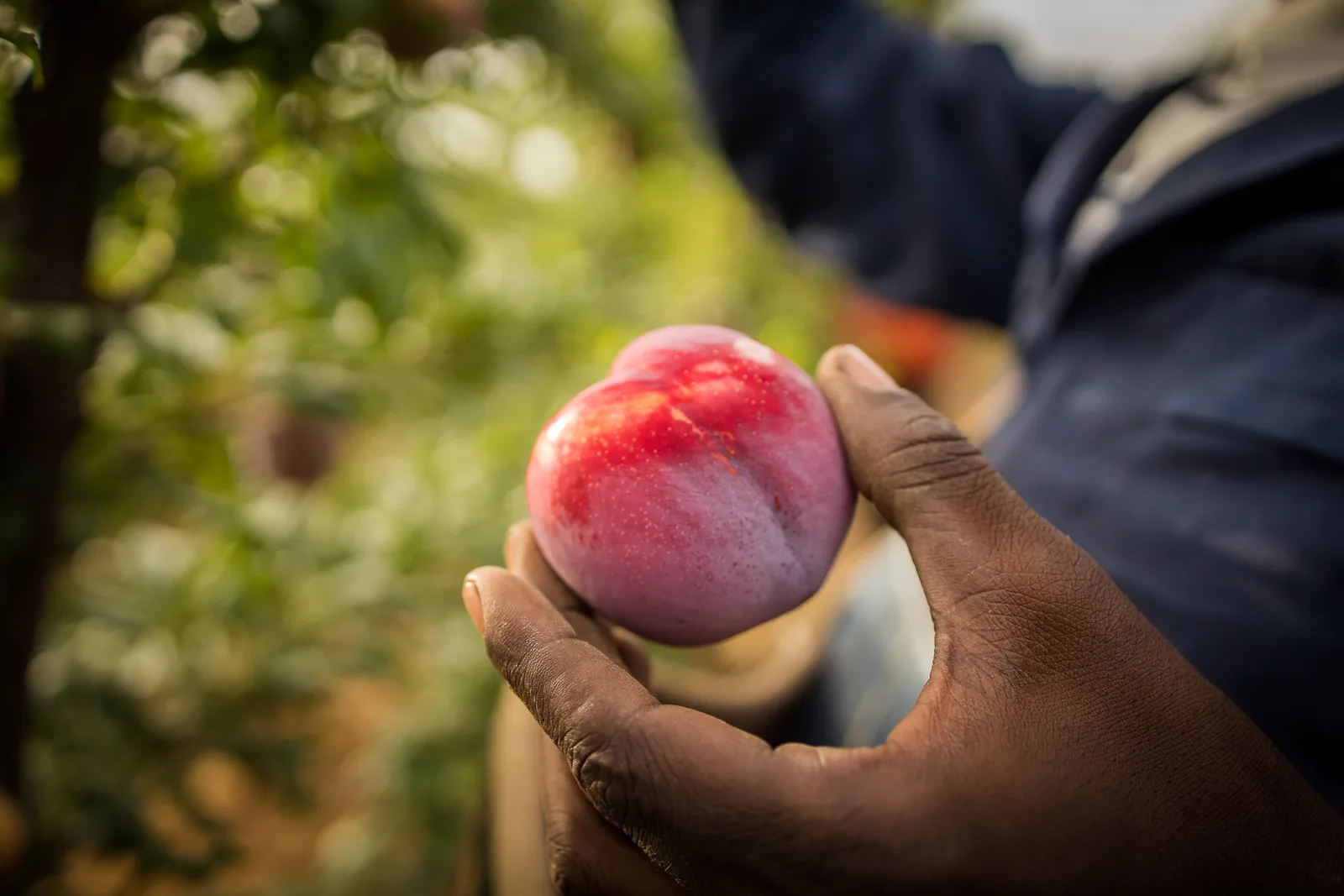
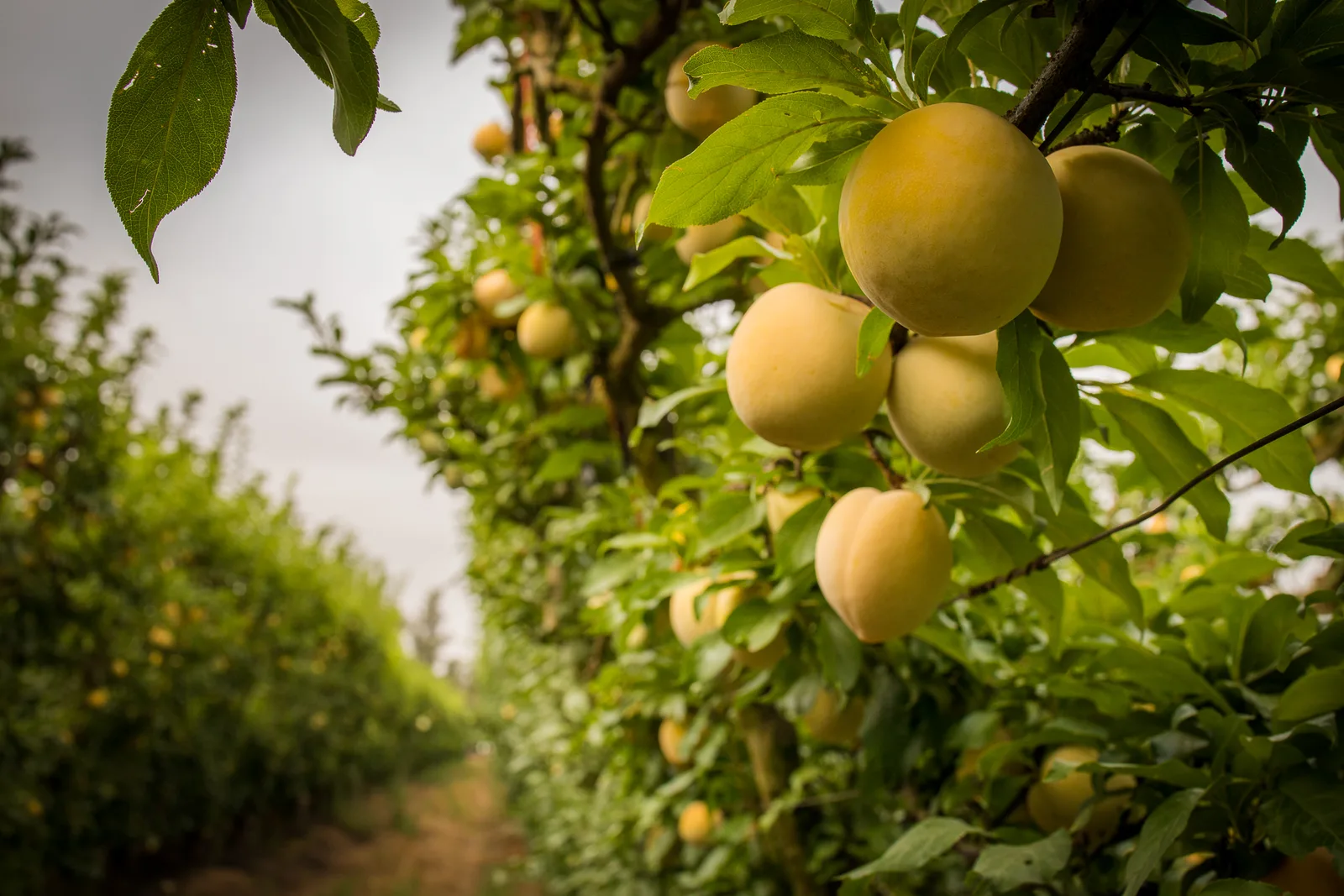
South Africa's 2026/27 stone fruit export outlook has deteriorated sharply, with Hortgro revising its forecast from an initial 3% decline to a substantially larger 12% reduction compared with last season.
The significant downward adjustment, announced on 20 November, follows further crop assessments revealing the effects of unusually warm winter weather, accelerated fruit development and smaller fruit sizes, compounded by restricted access to important export markets.
The revised estimate represents a considerable change from Hortgro's initial forecast released on 26 October, which anticipated a relatively stable season, with growing nectarine exports helping offset lower peach and plum volumes. Less than a month later, expectations have changed across all four major stone fruit categories.
Unseasonal weather affects fruit development
According to Hortgro, above-average daytime temperatures during July and August, combined with temperature fluctuations during critical stages of fruit development, accelerated the seasonal growth cycle. The unusually early season has resulted in lighter fruit set in several production regions and generally smaller fruit sizes, reducing the proportion of fruit meeting Class 1 export specifications.
The revised outlook demonstrates how rapidly production expectations can change when unusual weather conditions affect fruit development, particularly in crops where size and appearance are important determinants of export value.
Nectarines show the most significant reversal
The biggest change in expectations concerns nectarines, which were initially forecast to be the strongest-performing category. In October, Hortgro expected nectarine exports to increase by 9% compared with last season, supported by expanding plantings and newer varieties reaching commercial production. The revised estimate now anticipates an 8% decline, with export volumes reduced from the original forecast of 13.81 million cartons to approximately 11.6 million cartons.
Peaches have also experienced a substantial downward revision, with exports now expected to fall by 22%, compared with the initial estimate of 7%. Apricots, previously forecast to increase slightly, are now expected to decline by 21%, while the anticipated reduction in plum exports has widened from 8% to 12%.
The revisions indicate that the effects of the unusual growing conditions are being felt across the industry rather than being confined to individual varieties or production regions.
Middle East disruptions compound the problem
Smaller fruit sizes present an additional challenge because the Middle East has traditionally been an important destination for South African stone fruit that does not meet the preferred size specifications of other export markets. Last season, the region received approximately 63% of South Africa's apricot exports, 36% of peach exports and 15% of nectarine and plum exports. However, ongoing geopolitical uncertainty and shipping disruptions have made these markets more difficult to access.
With a greater proportion of the crop consisting of smaller fruit, reduced opportunities to supply the Middle East are further limiting export volumes. Hortgro also notes that strong domestic demand for early-season nectarines is providing growers with an attractive alternative to exporting some of this fruit.
Implications for growers and exporters
The revised estimates have important financial and commercial implications for the industry. Lower exportable volumes can reduce the returns available to recover orchard establishment, production and harvesting costs, while smaller fruit sizes may limit access to premium market segments.
Exporters must also adjust packing, shipping and marketing programmes to accommodate changing volumes and fruit specifications.
Although reduced export supply could support prices in certain markets, the effect on individual growers will depend on fruit quality, market demand, local sales opportunities and actual returns.
For South African stone fruit growers, the sharp revision highlights the increasing importance of managing climatic uncertainty alongside international market risks. Understanding changing crop expectations allows growers and exporters to adjust harvesting, packing and marketing strategies before the full season unfolds. With exportable volumes now considerably lower than initially anticipated, protecting fruit quality, identifying suitable markets for smaller fruit and maintaining flexibility in export programmes will be essential to limiting financial losses and safeguarding grower returns.
Sources:
Hortgro