

Strait of Hormuz disruption continues to increase fertiliser costs for South African fruit growers
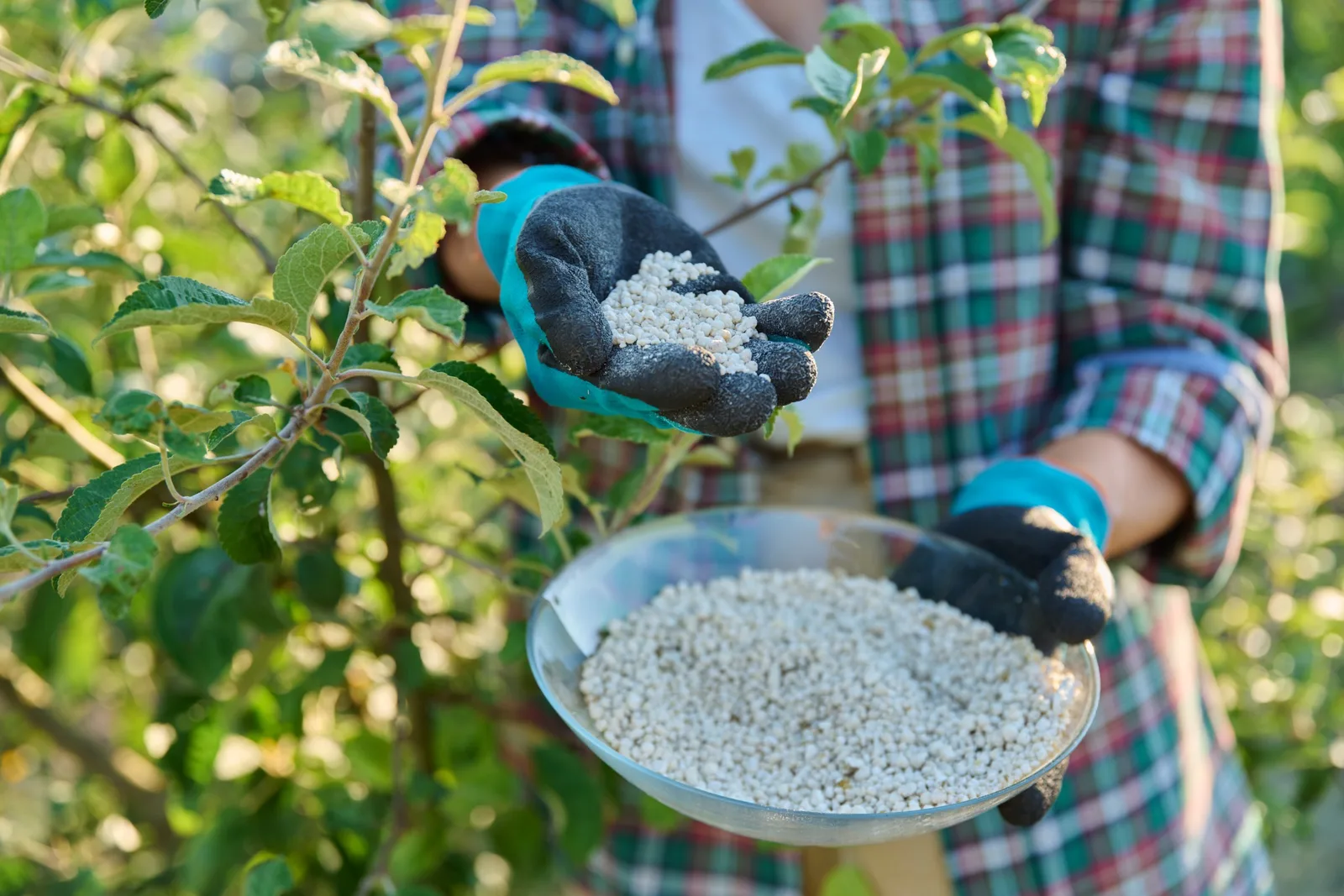

Restrictions on shipping through the Strait of Hormuz have placed renewed pressure on international fertiliser supplies and prices, adding to the cost challenges facing South Africa's fresh produce industry.
Although hopes of a reopening earlier this year briefly improved the outlook, continued instability along this critical shipping route has exposed the country's dependence on imported agricultural inputs and the vulnerability of growers to disruptions far beyond South Africa's borders.
The Strait of Hormuz, connecting the Persian Gulf with international shipping routes, is one of the world's most important corridors for energy and fertiliser trade. Disruptions following the outbreak of conflict in the Middle East earlier this year affected shipments of natural gas, nitrogen fertilisers and sulphur, essential inputs in the production of agricultural fertilisers.
According to Moneyweb, the crisis has affected African economies through higher fuel and fertiliser prices, increased freight and insurance costs, and wider pressure on trade and government finances. For South African agriculture, which depends heavily on imported fertilisers and fuel, these developments have significant implications for production costs.
Fertiliser prices respond to supply disruptions
Nitrogen fertilisers, particularly urea, depend heavily on natural gas as a production input, while sulphur is essential in manufacturing certain phosphate fertilisers. The Gulf region is an important international supplier of both products, making restrictions on shipping through Hormuz particularly disruptive to global fertiliser markets.
In April, the Institute for Security Studies reported that international urea prices had increased from below US$500 per tonne before the conflict to more than US$700 per tonne during the initial disruption.
The pressure was also evident in South Africa. According to Business Day, Agbiz chief economist Wandile Sihlobo reported in June that fertiliser prices were approximately 50% higher than a year earlier, largely reflecting the Middle Eastern conflict. Although prices subsequently eased from some of their peaks, supply conditions remain uncertain.
Research published by the International Food Policy Research Institute in September found that fertiliser exports from the Persian Gulf remained severely restricted despite temporary improvements in shipping movements.
The continued disruption has therefore raised concerns about the availability and cost of fertilisers for countries dependent on imports.
Fresh produce growers face multiple cost pressures
For fruit and vegetable growers, higher fertiliser prices add to already substantial costs for irrigation, energy, labour, packaging and transport. Reducing fertiliser applications risks compromising yields and fruit quality, while competitive markets often prevent producers from recovering increased costs through higher selling prices. Consequently, rising input costs place further pressure on grower profitability.
Despite hopes of relief following June's reopening agreement, shipping disruptions continue to affect fertiliser supplies. While prices have eased, the crisis highlights the need for greater African fertiliser production to reduce import dependence.
For South African fresh produce growers, the Hormuz crisis highlights the importance of managing input costs and securing reliable fertiliser supplies well ahead of production requirements. While improved shipping conditions could provide welcome relief, the longer-term challenge is reducing exposure to international supply disruptions. More diversified sourcing, efficient nutrient management and stronger regional fertiliser supply chains will be essential to protecting grower profitability and the competitiveness of South Africa's fresh produce exports.
Sources:
Moneyweb
https://www.moneyweb.co.za/news/africa/hormuz-block-hit-africa-in-4-places
UN Trade and Development
https://unctad.org/news/gas-grain-fertilizer-disruptions-raise-risks-food-security-and-trade
Institute for Security Studies
Business Day