

Nectarines lead growth as South African stone fruit exports face mixed 2026/27 season
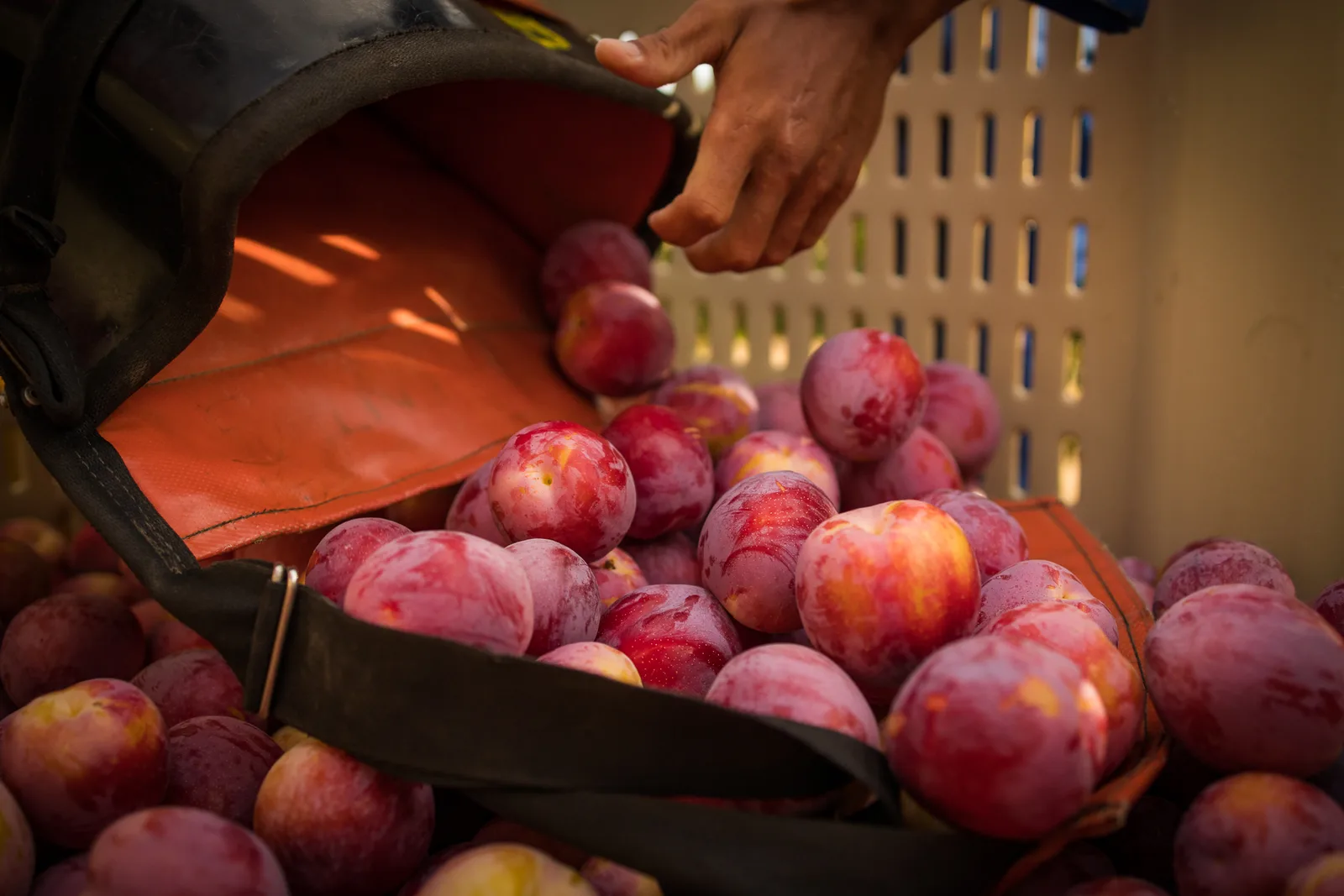
According to Hortgro's latest export estimate, overall stone fruit exports are expected to decrease by 3% compared with last season, while an unusually early harvest, shipping uncertainties and new market opportunities add further complexity to the season ahead.
South Africa's stone fruit industry has entered the 2026/27 export season with a mixed production outlook, as expanding nectarine volumes contrast with declining forecasts for peaches and plums.
The season follows a relatively dry Western Cape winter, although substantial rainfall and storms during May improved water availability in several important production areas.
Fruit development is progressing ahead of schedule, with early-season crops expected to ripen approximately two weeks earlier than usual. This accelerated production cycle will require close coordination between growers, packhouses, exporters and shipping operators to ensure fruit reaches international markets in optimal condition.
Nectarines continue their upward trajectory
Nectarines are expected to be the strongest-performing category, with exports forecast to increase by 9% to 13.81 million 2.5 kg equivalent cartons, compared with 12.62 million cartons last season. The increase reflects a longer-term expansion in nectarine production. Hortgro's 2025 Tree Census shows that planted hectares increased by 28% between 2020 and 2025, with the most significant growth occurring between 2021 and 2022.
Newer nectarine varieties generally reach full production earlier than traditional cultivars, contributing to increasing export volumes as recently established orchards mature. Fruit set has been favourable in several production regions. Interestingly, Western Cape nectarines are developing ahead of those in the northern growing regions this season, a reversal of the usual production pattern. The continued expansion of nectarine production demonstrates growers' investment in improved varieties and their response to changing commercial opportunities.
Peaches and plums face lower volumes
Peach exports are expected to decline by 7% to 2.48 million 2.5 kg equivalent cartons, compared with 2.66 million cartons in 2025/26. Although fruit set has generally been normal in the main producing regions, lower export volumes are anticipated for several varieties in the Ceres region.
The decline also reflects longer-term changes in production. According to Hortgro's Tree Census, hectares planted to dessert peaches decreased by 22% between 2020 and 2025.
Plum exports are forecast to fall by 8% to 14.58 million 5.25 kg equivalent cartons, compared with 15.85 million cartons last season.
Fruit set varies between regions and varieties, but the overall outlook suggests a moderate reduction in exportable production. Plum hectares have also declined by approximately 8% over the past five years.
Apricot exports, meanwhile, are expected to remain relatively stable, increasing by 2% to 766,000 4.75 kg equivalent cartons. Fruit size is expected to improve compared with last season, while planted hectares have declined by only 4% since 2020.
Hortgro emphasises that planted area alone does not determine export performance. Orchard age, yields, fruit set, weather conditions and the proportion of fruit meeting export specifications all influence final volumes.
China offers opportunities for market diversification
The 2026/27 season will be the first full export campaign following South Africa's successful opening of the Chinese market to peaches, nectarines, plums, apricots and prunes.
The historic phytosanitary agreement was signed in October 2025, with the first commercial shipments reaching China in February 2026, when the Southern Hemisphere export season was already well advanced. According to Chinese customs data reported by Produce Report, China imported approximately 250.6 tonnes of South African plums and 19.4 tonnes of peaches and nectarines during that initial trading period.
Although these volumes were relatively small, the new market represents an important opportunity to diversify exports beyond traditional destinations in Europe, the United Kingdom and the Middle East. Successful expansion into China will depend on developing reliable commercial relationships, meeting phytosanitary requirements and maintaining competitive shipping arrangements.
Logistics remain a major concern
Despite the promising outlook for nectarines and new market opportunities, Hortgro has identified logistics as a significant risk for the coming season. The performance of the Port of Cape Town remains a particular concern, with congestion, vessel schedules and shipping delays potentially affecting fruit quality and market arrival times.
The industry's reliance on refrigerated container shipping makes efficient port operations especially important for highly perishable stone fruit. Geopolitical uncertainty in the Middle East is another concern, with possible disruptions to shipping routes and trade flows adding pressure to exporters. Hortgro has indicated that it will continue monitoring port operations, international shipping developments and export market conditions as the season progresses.
A season requiring careful planning
For South African stone fruit growers, the 2026/27 outlook highlights the importance of matching production and marketing strategies to changing industry conditions. The continued expansion of nectarine exports demonstrates the opportunities created by investment in improved varieties, while declining peach and plum volumes reflect shifts in orchard composition and production potential.
An earlier harvest will place additional pressure on harvesting schedules, labour availability, packing capacity and export logistics. At the same time, new access to China provides opportunities to broaden market exposure and develop additional outlets for premium-quality fruit.
For growers, the value of Hortgro's export estimates extends beyond forecasting crop volumes. Understanding changing production trends, anticipated market supply and logistical risks enables producers to plan harvesting, packing and marketing more effectively, protect fruit quality and make informed decisions about future orchard investment. In an increasingly competitive international environment, these decisions remain essential to maintaining the profitability and long-term sustainability of South Africa's stone fruit industry.
Sources:
Hortgro
South African Government
Produce report