

Durban Gateway Terminal port crisis escalates to national emergency as government intervenes
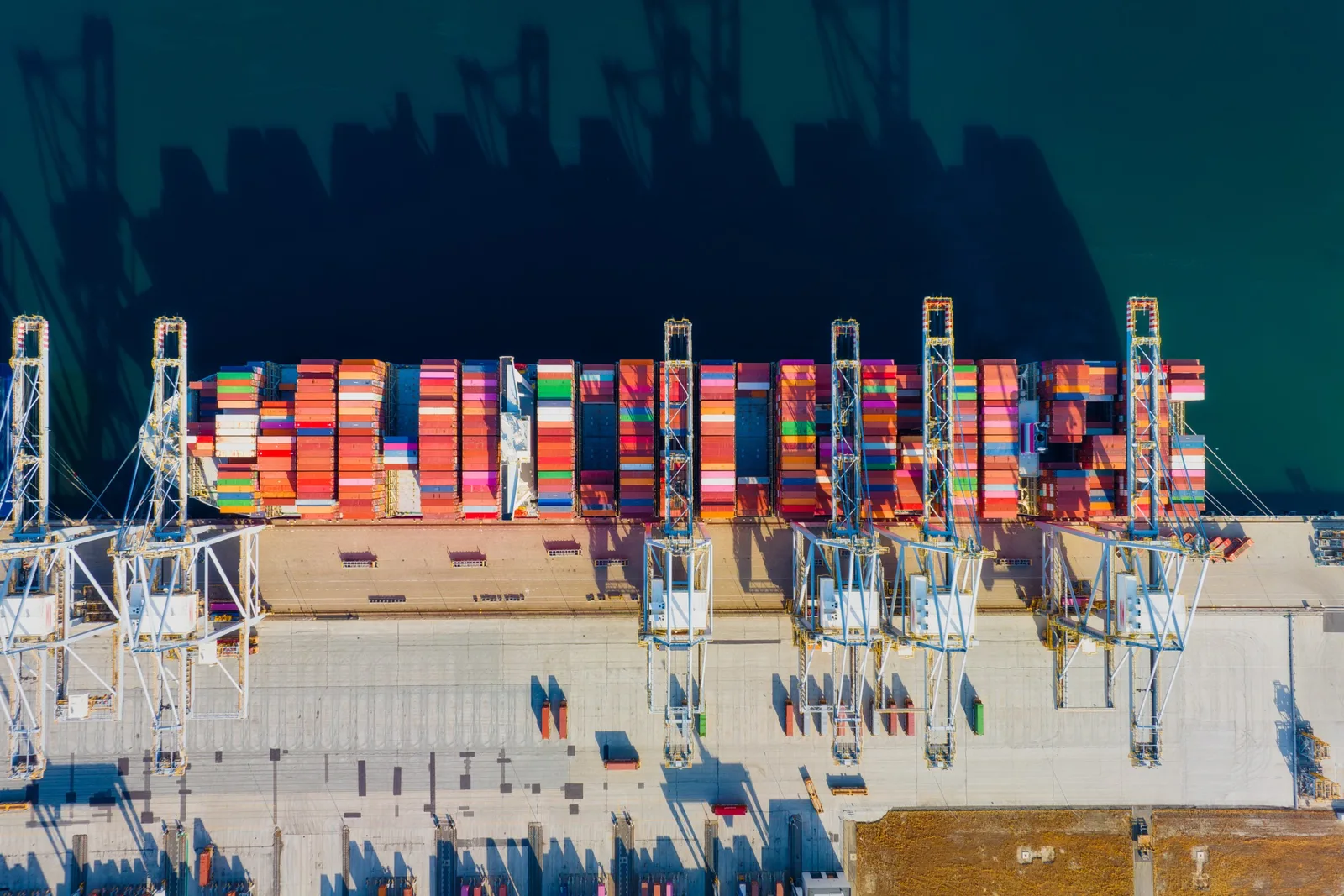
South Africa's worsening port crisis has triggered urgent government intervention, with severe congestion at Durban Gateway Terminal now adding as much as 20 days to affected supply chains and threatening businesses across the economy.
The disruption, which followed the implementation of a new container management software system in August, has exposed serious operational weaknesses at the country's busiest container terminal and raised questions about the effectiveness of one of South Africa's most important logistics reform initiatives.
The Southern African Association of Freight Forwarders (SAAFF) has escalated the crisis to the Presidency, warning that the prolonged disruption is imposing substantial costs on importers, exporters and manufacturers. The difficulties centre on Durban Gateway Terminal (DGT), which handles approximately 46% of South Africa's containerised freight and has been operated by Philippines-based International Container Terminal Services Inc. (ICTSI) since January 2026. The partnership with Transnet was expected to introduce international expertise, investment and improved efficiency at the strategically important terminal. Instead, the deterioration in performance has placed the initiative under intense scrutiny.
Software transition triggers operational breakdown
The immediate crisis developed following the terminal's transition to the Navis N4 container management system in mid-August. The software is designed to coordinate vessel operations, container movements, terminal storage and truck bookings. However, its implementation resulted in serious operational disruptions, reducing the terminal's ability to handle containers efficiently. These difficulties were compounded by inadequate equipment availability, unreliable container-handling machinery and constraints on crane operations. According to reports published by Daily Maverick, container volumes fell approximately 30% between mid-August and early September compared with the preceding four-month average.
Although ICTSI subsequently reported improvements in the software's stability and terminal operations, the accumulated backlog continued to grow. By November, vessels were facing delays of 14 to 20 days, while shipping lines adjusted schedules and freight operators struggled with escalating storage, detention and transport costs. The consequences have spread beyond the port, with supply chains throughout South Africa experiencing serious disruptions.
Crisis exposes wider economic vulnerability
The scale of the problem became particularly evident when automotive components manufacturer Metair warned that delayed imports threatened its ability to meet contractual commitments to major vehicle manufacturers. The company indicated that the financial consequences could be substantial, with additional freight costs and production disruptions affecting its profitability.
For the agricultural sector, the crisis presents similar risks. Delayed imports of production inputs and machinery affect farming operations, while export uncertainty threatens the competitiveness of South African produce. The citrus industry has already experienced the effects of Durban's operational difficulties during its 2026 export season, making the latest deterioration especially concerning as exporters begin preparing for 2027.
In its final report for the 2026 season, the Citrus Growers' Association of Southern Africa (CGA) confirmed that growers packed approximately 201 million 15 kg cartons for export, 1.5% below the 204 million cartons recorded in 2025 and 4% below the original April forecast of 209.4 million.
CGA CEO Dr Boitshoko Ntshabele described a season in which favourable orchard yields in many regions were undermined by difficult export conditions. CGA specifically identified Durban's logistics backlogs as a major contributor to disrupted shipping schedules and missed market opportunities.
For citrus exporters, timing is critical. Delayed arrivals can result in fruit reaching markets after periods of peak demand, when prices have already weakened or competing supplies have increased. The financial consequences can be severe because growers have already incurred harvesting, packing, cooling and transportation costs.
SAAFF has warned that the disruptions are also damaging South Africa's reputation as a reliable trading partner, with international customers increasingly exposed to unpredictable shipping schedules and supply interruptions.
Government announces emergency measures
On 18 November, Transnet announced an emergency intervention programme aimed at clearing the backlog and restoring operational efficiency. The measures include making Berth 102 at Durban's Pier 1 available to vessels equipped with their own cargo-handling cranes, providing additional capacity outside the congested terminal.
Certain vessels will also be diverted to Ngqura Container Terminal near Gqeberha, where Durban-bound containers can be discharged and transferred to smaller vessels for delivery to Durban. Additional ship-to-shore cranes are being returned to service at Pier 1, with all six expected to become operationally available by 21 November.
Transnet Freight Rail will provide additional trains to transport imported containers destined for Gauteng, reducing pressure on the terminal's truck operations and storage facilities. Meanwhile, ICTSI is refurbishing existing equipment, acquiring additional container-handling machinery and implementing measures to improve terminal efficiency.
Minister issues ultimatum to terminal operator
Transport Minister Barbara Creecy has taken an increasingly direct role in addressing the crisis. According to Moneyweb, the Transnet National Ports Authority has given ICTSI three months to demonstrate improved performance, warning that the terminal operator could face the loss of its operating licence if it fails to meet the required standards.
Creecy has acknowledged that the timing of the software transition was problematic and that the terminal's recovery will require sustained operational improvements. ICTSI has committed more than R2 billion over three years towards equipment modernisation and infrastructure improvements. However, these longer-term investments will not immediately resolve the current backlog.
While government expects gradual improvements between December and February, international logistics operators have cautioned that meaningful recovery may not be achieved before the end of the first quarter of 2027.
A critical test for South Africa's logistics reforms
The crisis comes at a sensitive time for government's wider programme of introducing private-sector participation into South Africa's ports and rail infrastructure. The ICTSI partnership was intended to demonstrate how international operational expertise and new investment could address longstanding inefficiencies within the national logistics network.
Its troubled implementation has instead highlighted the risks associated with introducing new systems at a terminal that already faces significant infrastructure and equipment constraints. For government, the immediate challenge is restoring operational capacity while ensuring that accountability, communication and coordination between Transnet, ICTSI, shipping lines and freight operators are strengthened.
For South Africa's agricultural exporters, particularly citrus growers, the crisis demonstrates how failures at a single strategic terminal can undermine the competitiveness of an entire industry. As producers prepare for the 2027 export season, the effectiveness of government's intervention will be critical. Restoring reliable container handling, predictable vessel schedules and confidence in Durban's operations is essential if South African growers are to protect their international markets and convert agricultural production into sustainable export earnings.