
Congestion at Durban Gateway Terminal severely constrained South African citrus exporters during the past season
During the height of the recent citrus season severe congestion at Durban Gateway Terminal added to an already challenging export season for South Africa's citrus industry, with extended truck queues, vessel delays and disruptions to refrigerated container handling threatening fruit quality and increasing costs throughout the supply chain.
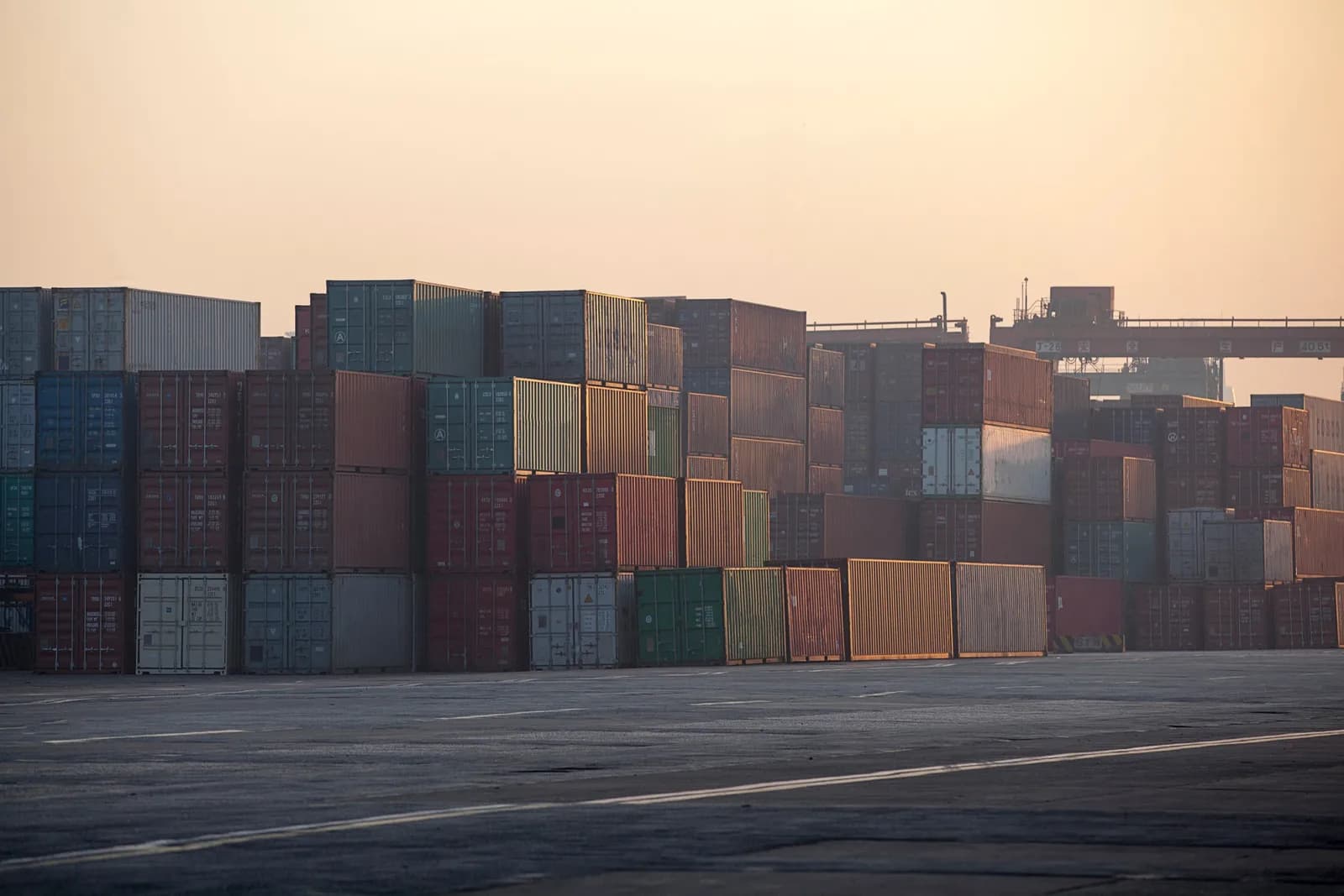
The difficulties became particularly acute during August, when trucks transporting refrigerated containers reportedly waited up to 30 hours to enter the terminal. According to Freight News, some consignments deteriorated after prolonged periods without refrigeration and were subsequently rejected for export. The terminal also temporarily suspended the acceptance of refrigerated containers while attempting to clear existing stock.
The situation illustrates the vulnerability of fresh produce exports to disruptions in port operations. Unlike many other commodities, fruit requires careful temperature management and precisely coordinated logistics to preserve quality and shelf life during the journey to international markets.
Delays at the terminal can disrupt the entire supply chain, from harvesting and packing schedules to cold storage, road transport and vessel departures. Exporters also face the financial consequences of missed shipping schedules, extended container detention and additional storage and transport expenses.
The problem extends beyond the immediate costs. Irregular shipping schedules can undermine carefully planned marketing programmes and result in fruit arriving at destinations outside its intended commercial window.
These difficulties have coincided with challenging trading conditions in several international citrus markets. European importers have highlighted the effect of Durban's congestion on South African mandarin exports, with delayed shipments resulting in inconsistent arrivals in Europe.
Although reduced arrivals may temporarily ease market pressure, accumulated volumes will eventually need to be accommodated, potentially creating oversupply when delayed consignments reach their destinations. This is particularly concerning in a season characterised by increased South African citrus exports and limited alternative market opportunities following geopolitical disruptions in the Middle East.
The logistical uncertainty has also prompted some transporters to consider alternative export routes, including Mozambique's Port of Maputo. While alternative ports may offer relief, changing established export routes introduces further transport, cost and scheduling considerations.
For citrus growers, the consequences of port disruptions can ultimately be reflected in reduced returns, particularly where delays compromise fruit quality or result in unfavourable market timing.
The situation reinforces the importance of maintaining an efficient and predictable export logistics network. As South Africa continues to expand its fruit production and export volumes, dependable port operations remain essential to ensuring that growers can convert their investment in quality fruit into sustainable returns.
SOURCES:
https://www.freightnews.co.za/article/dgt-congestion-disrupts-citrus-exports