

New EU packaging regulations bring immediate compliance obligations for South African fruit growers and exporters

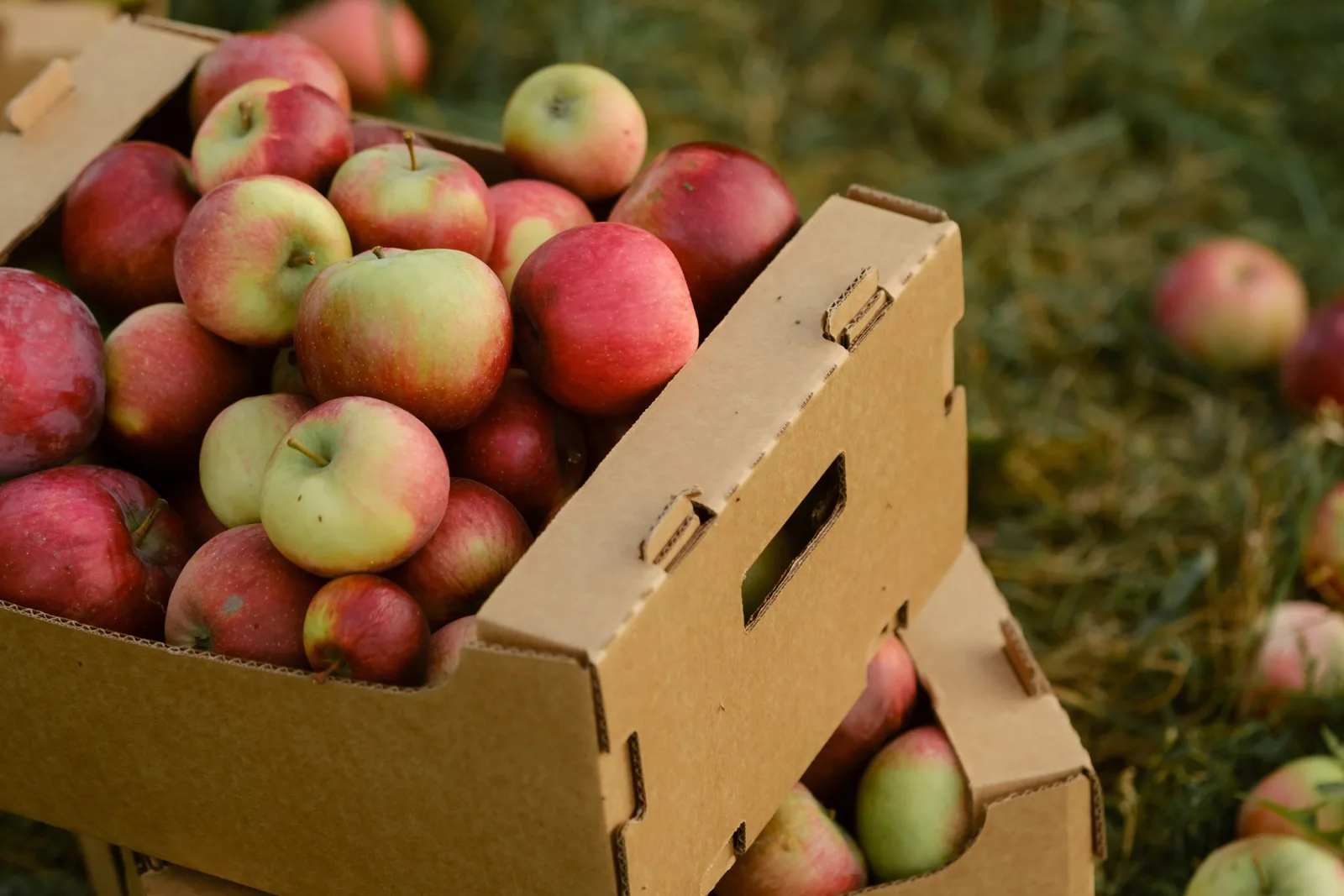
South African fresh produce growers exporting to the European Union face significant changes in packaging requirements under new legislation aimed at reducing waste, improving recyclability and eliminating harmful chemicals.
While many changes will be phased in over the coming years, important restrictions already apply, making it essential for exporters to understand which packaging materials they use and whether these comply with the regulations.
Speaking at the International Fresh Produce Association (IFPA) Sustainability Summit in Somerset West on 11 November, Jacqueline Mailly, Senior EU Regulatory Affairs Advisor at international law firm Hogan Lovells in Brussels, explained the implications of the EU's Packaging and Packaging Waste Regulation (PPWR) for South African growers.
Regulation (EU) 2025/40 aims to reduce packaging waste, encourage recycling and reuse, and standardise requirements across EU member states. Mailly stressed that exporters must understand their packaging's composition and obtain the technical documentation needed to demonstrate compliance.
What packaging is affected?
The regulation covers virtually all packaging components used in fresh produce exports to the EU, including cartons, plastic punnets, bags, liners, labels, adhesives, pallets, strapping and wrapping materials.
It applies not only to packaging in direct contact with fruit, but also to materials used to contain, protect and transport consignments, regardless of where the packaging was manufactured.
Two important requirements already apply
The PPWR began applying on 12 August 2026, introducing restrictions on certain potentially harmful substances in packaging. The first concerns four heavy metals: lead, cadmium, mercury and hexavalent chromium. Their combined concentration in packaging or its components may not exceed 100 milligrams per kilogram.
The second concerns per- and polyfluoroalkyl substances (PFAS), used in some packaging for water and grease resistance. Food-contact packaging must comply with strict limits of 25 parts per billion for any individually measured PFAS, 250 parts per billion for the sum of targeted PFAS, and 50 parts per million for total PFAS, subject to specified measurement conditions.
Exporters therefore need reliable information from suppliers about the chemical composition of their packaging materials.
Documentation becomes a critical responsibility
Mailly warned that growers and exporters cannot assume their packaging complies simply because it comes from an established manufacturer. Under the PPWR, packaging must be supported by technical documentation demonstrating compliance, together with an EU Declaration of Conformity formally confirming that the packaging meets applicable requirements.
Grower branding on packaging could potentially result in EU classification as the manufacturer.
Legal responsibility depends on whether a business is classified as a packaging manufacturer, importer or another economic operator. A company selling produce in packaging bearing its own brand may, in certain circumstances, be regarded as the manufacturer, even when another company physically produces the packaging. Growers exporting to the EU must therefore establish who carries the legal responsibility for each packaging type and ensure the required documentation is available.
Mailly's immediate recommendation was clear: Contact packaging suppliers now. Growers and exporters should identify all packaging used in their export programmes, discuss PPWR compliance with suppliers and request the necessary declarations, specifications and supporting technical information.
South African industry organisation Hortgro has already developed a standardised compliance template to assist producers and packhouses with gathering the necessary information.
More packaging changes are coming
The current chemical restrictions and documentation requirements are only the beginning. Further measures will be phased in through to 2040, including packaging minimisation, improved recyclability, increased recycled content in plastic packaging and greater reuse.
From 2030, restrictions are scheduled for certain single-use plastic packaging formats for fresh fruit and vegetables sold in quantities below 1.5 kg, subject to exceptions. Requirements concerning compostable fruit labels and packaging recyclability will also become increasingly important.
These changes could affect how South African fruit is packed, labelled and presented to European consumers.
Hortgro is working with the EU-funded AGRINFO programme and COLEAD to help the local industry understand the legislation and investigate alternative packaging solutions.
Protecting market access
For South Africa's export-oriented fruit industry, the PPWR has significant commercial implications. Packaging compliance is becoming an increasingly important requirement for continued access to European markets.
Non-compliant packaging could be rejected or withdrawn from the market, creating additional costs and disrupting export programmes.
For South African growers, the immediate priority is to identify their packaging materials, confirm compliance and obtain the necessary supplier documentation. With further changes approaching, early cooperation between growers, packhouses, exporters and packaging manufacturers will be essential to controlling costs, protecting fruit quality and maintaining reliable access to one of South Africa's most important fresh produce markets.
Sources:
European Union
https://eur-lex.europa.eu/TodayOJ/index.html
https://eur-lex.europa.eu/TodayOJ/index.html?uri=CELEX:52026XC03084
International Fresh Produce Association Southern Africa
https://www.linkedin.com/showcase/international-fresh-produce-association-southern-africa
Hortgro
https://www.hortgro.co.za/news/new-rules-on-eu-market-packaging