

Sustainability becomes a competitive advantage in international fruit markets
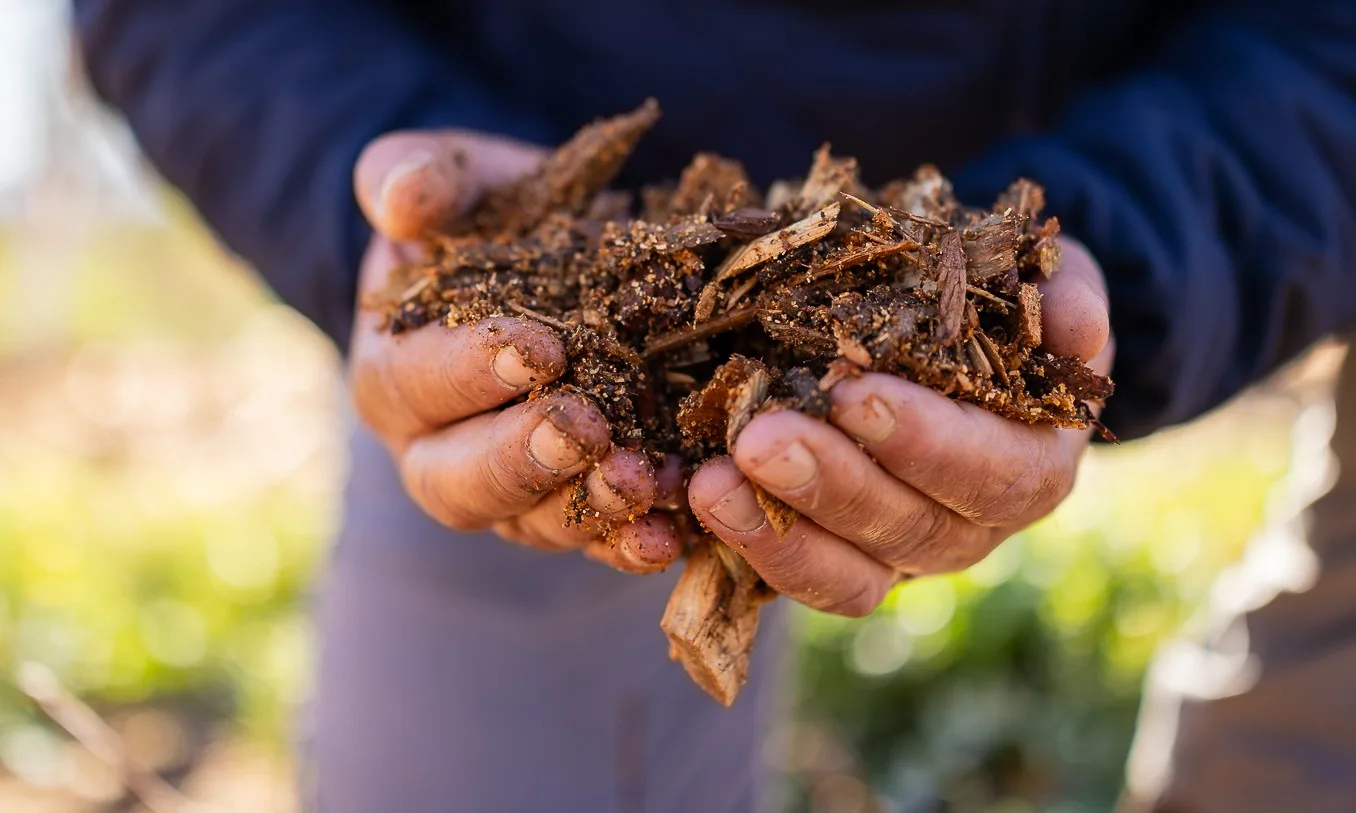
Environmental sustainability is becoming an increasingly important consideration for South African fresh produce exporters as international retailers and consumers demand greater transparency about how their fruit is produced.
Alongside established requirements for food safety, quality and ethical production, growers are facing growing expectations to demonstrate responsible water management, biodiversity protection, reduced environmental impacts and measurable progress towards more sustainable farming practices.
For South Africa's citrus, table grape, apple and pear industries, which depend heavily on international markets, these developments are creating both new opportunities and additional responsibilities.
According to bizcommunity, international demand is an important driver of regenerative agriculture in South Africa, with established commercial growers investing in practices designed to improve soil health and production efficiency.
For export-oriented producers, demonstrating environmental responsibility is increasingly relevant to maintaining relationships with international buyers, particularly major retailers in Europe and the United Kingdom.
From farming practices to measurable performance
One of the most significant developments is the move towards documenting and verifying environmental performance. Established certification and assurance systems, including GLOBALG.A.P., the Sustainability Initiative of South Africa (SIZA) and carbon-footprint assessment programmes, already provide mechanisms for growers to demonstrate responsible production practices.
GLOBALG.A.P.'s Integrated Farm Assurance standard covers environmental considerations, while additional programmes address water management, biodiversity and the measurement of agricultural inputs.
SIZA's environmental assurance programme similarly helps South African producers assess environmental risks and improve management practices at farm and catchment level.
Increasingly, growers are also using digital systems, soil testing, GPS-linked pest monitoring and precision input management to demonstrate how their production practices are changing over time.
These technologies provide evidence of environmental improvements while helping growers make more informed decisions about fertiliser, pesticide and water use.
Regenerative certification gains ground
Alongside established export assurance programmes, regenerative agriculture certification is attracting growing interest. One example is Regenified, an international verification programme that assesses regenerative farming practices and environmental outcomes through its 6-3-4 Standard. The Regenified website illustrates that the framework examines soil health, land management and ecosystem processes, using field assessments and supporting data to recognise progress through five verification tiers.
According to an article published by Hortgro recently, a significant South African development occurred in August 2026 when Molenrivier, a production unit within Howbill Farming's operations in the Ceres region, achieved Tier 4 Regenified status. According to Hortgro, Molenrivier forms part of the Zonnehaven group of producers, which has invested substantially in soil improvement, biodiversity management, integrated pest control and monitoring systems.
The achievement demonstrates how regenerative farming practices are moving beyond individual environmental initiatives towards internationally recognised verification within commercial fruit production. However, Regenified remains a voluntary certification programme. It should not be confused with mandatory phytosanitary requirements or existing retail food safety standards.
Environmental performance and market competitiveness
For international buyers, verified sustainability information can help assess environmental risks across their supply chains and support responsible sourcing commitments. For South African growers, the commercial advantages may include stronger customer relationships, differentiation in competitive markets and improved confidence in the long-term sustainability of their production systems.
Nevertheless, certification does not automatically guarantee higher prices or preferential market access. Producers must still meet the specifications, volumes and commercial requirements expected by international customers. The industry's move towards greater environmental accountability also involves carbon-footprint measurement. Energy use, fertiliser production, irrigation and transport all contribute to emissions associated with exported fruit.
Although the European Union's current Carbon Border Adjustment Mechanism does not apply directly to fresh fruit, the growing international emphasis on emissions reporting and sustainable supply chains is increasing the value of credible environmental data.
For South Africa's export fruit industry, regenerative agriculture and environmental verification are becoming important tools for demonstrating responsible production. The challenge is to ensure that these investments deliver measurable environmental improvements while strengthening growers' competitiveness and preserving access to valuable international markets.
Sources:
Hortgro
https://www.hortgro.co.za/news/zonnehaven-step-by-step-towards-sustainability
Bizcommunity
Regenified
https://regenified.com/understanding-our-standard
GlobalGAP
SIZA
European Commission
https://taxation-customs.ec.europa.eu/carbon-border-adjustment-mechanism/cbam-sectors_en