
Ramaphosa targets 2.5 million hectares for new black farmers as industry partnerships gain focus
Government plans to release about 2.5 million hectares of state-owned agricultural land to black farmers, but President Cyril Ramaphosa says access to land will need to be matched by training, finance and stronger links into established agricultural value chains.
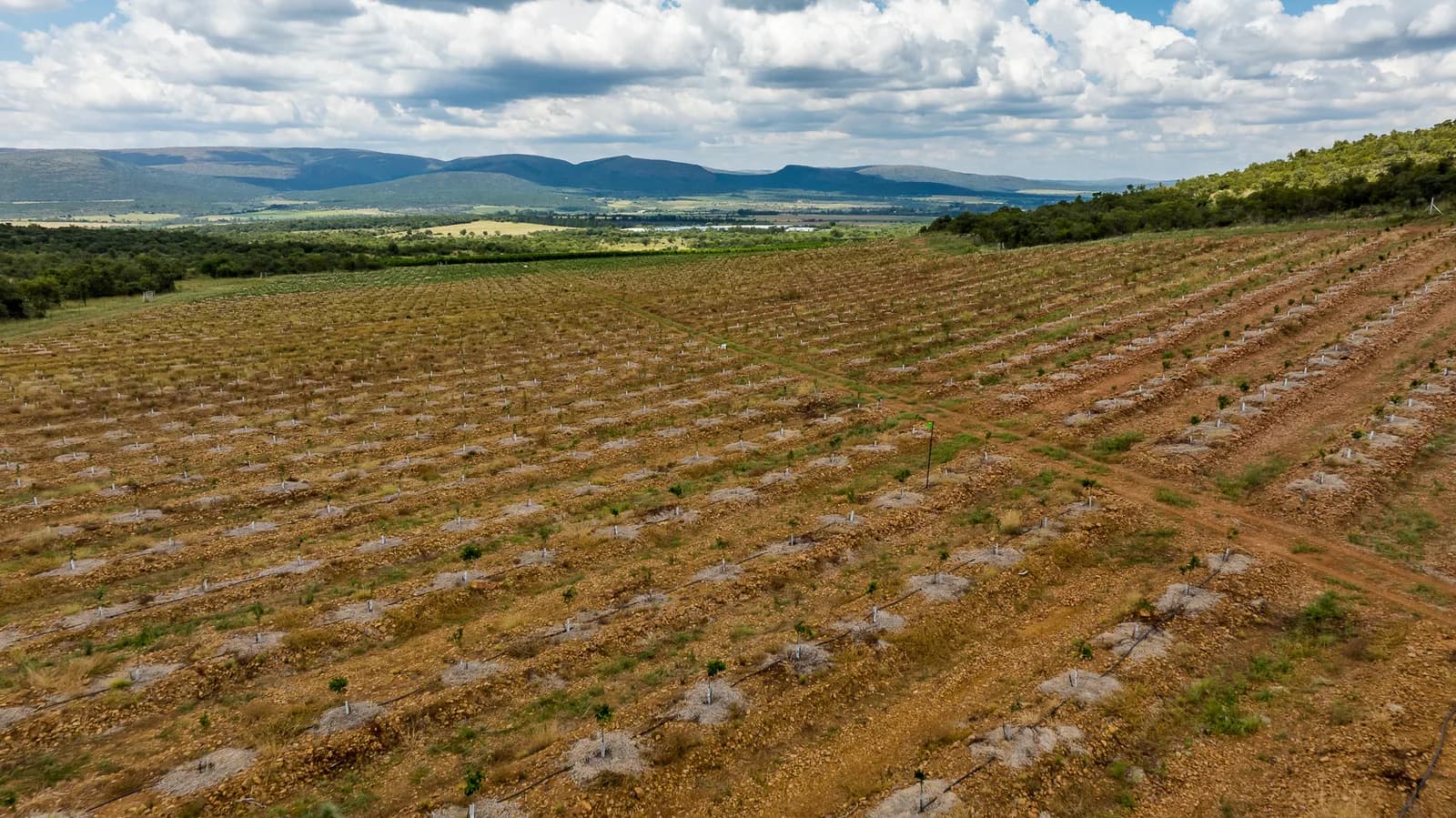
For South Africa’s fruit sector, the announcement is significant because organisations including the Fruit South Africa, Citrus Growers’ Association of Southern Africa (CGA) and The South African Table Grape Industry (SATI) have been identified as partners already helping develop new commercial farmers.
The land is being released under the Proactive Land Acquisition Strategy, with government moving to provide beneficiaries with title deeds rather than relying only on short-term leases. Ramaphosa has argued that stronger land rights should make it easier for farmers to invest, access finance and build commercially viable businesses.
Land access only the first step
In his weekly letter, Ramaphosa said South African agriculture remains divided between a highly productive commercial sector and a much smaller black commercial farming base. He said black farmers currently account for around 10% of commercial agricultural output and argued that expanding participation will require more than simply transferring land. Mentorship, technical training and technology transfer will be central to that process.
Ramaphosa specifically acknowledged programmes run by commodity organisations including the CGA, Fruit South Africa, Grain South Africa, Potatoes South Africa and other agricultural bodies. For export industries such as citrus and table grapes, these partnerships can help new growers understand production standards, phytosanitary requirements, quality systems and the commercial demands of international markets.
Finance remains a major requirement
Access to affordable capital is another part of the strategy. The Land Bank and Department of Agriculture have introduced blended-finance mechanisms, with commercial banks also participating. Ramaphosa has called for additional agribusinesses and financial institutions to support similar funding structures.
This is particularly relevant in perennial fruit industries, where orchard establishment, irrigation, packhouse access and infrastructure require substantial upfront investment and growers may wait several years before plantings reach full production.
Agriculture remains an important export sector
South Africa’s agricultural sector employs around 944,000 people directly, with approximately another 200,000 jobs across the wider value chain. Agricultural exports reached about R270 billion in 2025, with table grapes, citrus, wine, maize, beef, sugar and wool among the country’s major export products. Ramaphosa said expanding the number of commercially successful farmers could support both food production and further export growth.
Why this matters for South African fruit producers
For established fruit industries, the land-release programme could create opportunities for deeper collaboration between commercial growers, industry bodies and emerging producers. However, bringing new farmers into export horticulture requires considerably more than access to hectares.
New entrants need suitable land, water, finance, technical expertise, compliant production systems, packing capacity and access to established marketing channels. The involvement of organisations such as the CGA and Fruit South Africa is therefore significant because these bodies already operate within value chains that understand international market requirements.
For South African fruit production, the success of the programme will ultimately depend on whether newly allocated land can be converted into sustainable, competitive farming businesses that participate meaningfully in both domestic and export markets.