
TNPA separation could reshape port investment for South Africa’s fresh produce exports
South Africa’s fresh produce exporters could benefit from a major structural change in the country’s port system after Cabinet backed the separation of the Transnet National Ports Authority (TNPA) from Transnet.
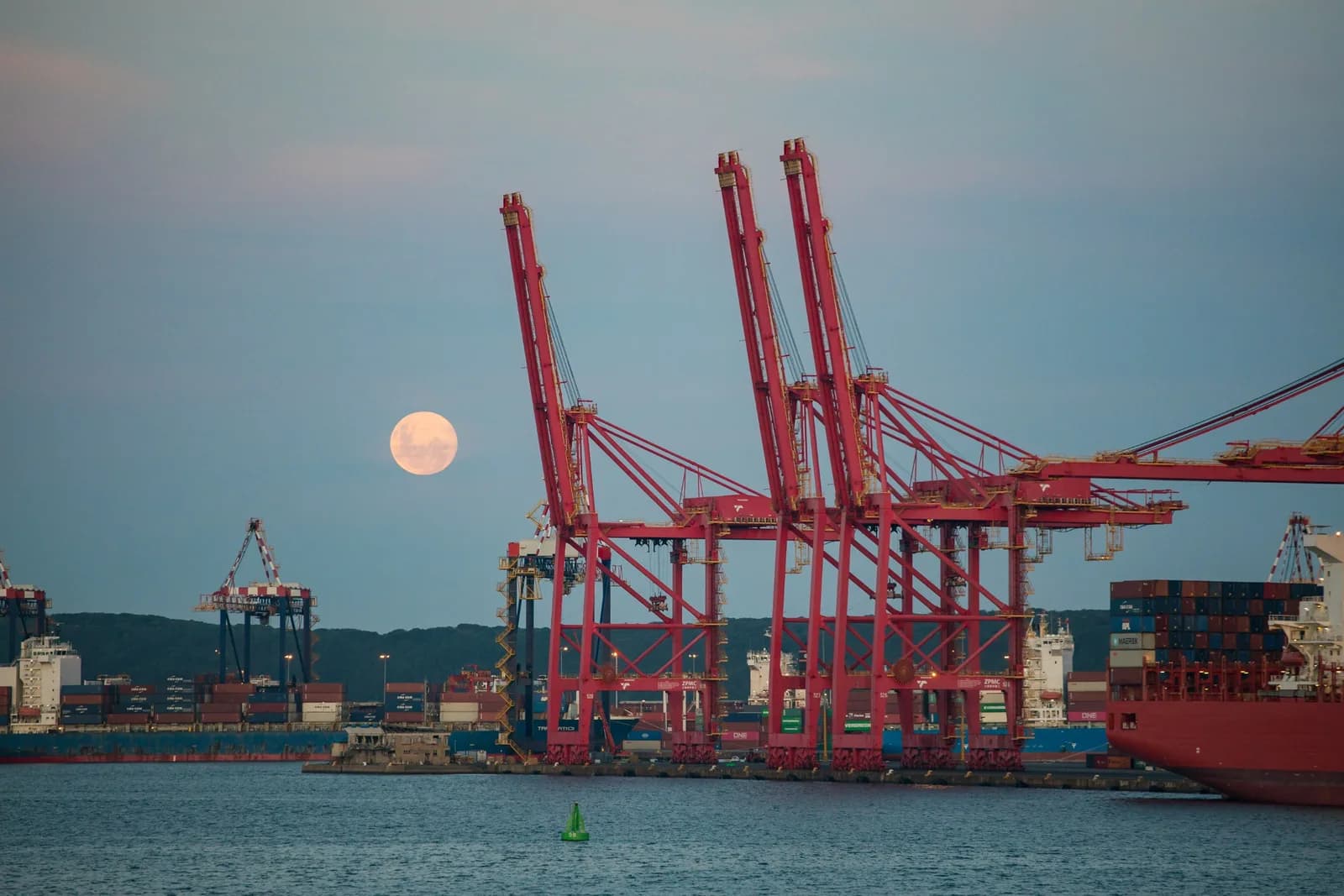
Under the proposed structure, TNPA would become a stand-alone company owned directly by the state, rather than remaining part of the wider Transnet group. Cabinet says the reform is intended to improve infrastructure reliability, investment capability and the competitiveness of South Africa’s freight and logistics system.
For fruit exporters, the potential significance lies in whether this gives the ports authority more freedom to reinvest port revenue into infrastructure and make investment decisions independently of Transnet’s wider financial pressures.
Why the change matters for fruit exports
South Africa’s fresh produce sector has paid heavily for weak port performance. During the 2025/26 deciduous fruit season, about 55,000 tonnes of Western Cape table grapes were diverted through Eastern Cape ports because of congestion and operational problems at Cape Town. Industry estimates put logistics-related losses at about R3.2 billion for table grapes and R1.05 billion for stone fruit.
Cape Town remains especially important because it handles roughly 80% of South Africa’s deciduous fruit exports. For growers, port inefficiencies translate into additional trucking, cold-storage costs, missed vessels, longer transit times and increased quality risk.
More port revenue could remain in the port system
A central argument for separating TNPA is financial as under the current structure, revenue earned by the Ports Authority forms part of the broader Transnet Group. The proposed separation could allow more of that revenue to be directed specifically towards port infrastructure, maintenance and development.
That principle is not new and when the first move towards a more independent TNPA was announced in 2021, government said the objective was to enable port revenues to be reinvested in replacing ageing equipment and expanding infrastructure. Cabinet’s latest decision goes further by supporting TNPA to become a company outside Transnet altogether.
Cabinet has also authorised TNPA to investigate bringing in a minority equity partner from a South African development finance institution, while retaining state ownership and control of national port infrastructure.
Separation will not fix terminal performance on its own
For exporters, however, an important distinction remains. TNPA owns and regulates the port infrastructure, but it is not the same entity as Transnet Port Terminals, which operates major container terminals and handles much of the cargo.
The structural separation could improve infrastructure investment, planning and the treatment of different terminal operators, but it will not automatically resolve operational problems such as crane productivity, equipment failures, labour constraints or slow container movements.
That matters at Cape Town, where fresh produce organisations have repeatedly identified terminal productivity and equipment performance as major concerns. The Port of Cape Town ranked last among 400 container ports in the World Bank’s 2025 Container Port Performance Index, while fruit industry bodies have continued to call for urgent operational improvements.
Why this matters for South African producers
For South Africa’s growing fruit export sector, the TNPA separation could be an important enabling reform, but only if it results in faster infrastructure investment, clearer accountability and greater space for private participation in port operations.
It could also create a cleaner separation between the state-owned port landlord and the companies operating individual terminals, which may make future concessions and public-private partnerships easier to implement.
But the benefit to growers will ultimately be measured in practical outcomes: fewer vessel delays, more reliable cold-chain movement, lower diversion costs and greater certainty during peak export weeks.
For a sector producing increasing volumes of citrus, table grapes, apples, pears, stone fruit, avocados and other perishables, structural reform at the ports matters only if it translates into faster and more reliable fruit movement to international markets.
The separation of TNPA therefore offers potential, but it is not in itself a solution to South Africa’s port problem. The real test will be whether the new structure delivers the investment and operational reform exporters have been waiting for.