
AGOA extension gives South African exporters breathing room, but tariffs still limit the benefit
The extension of the African Growth and Opportunity Act (AGOA) to the end of 2028 gives South African agricultural exporters greater certainty in the US market, but it does not remove the additional tariffs currently affecting many products.
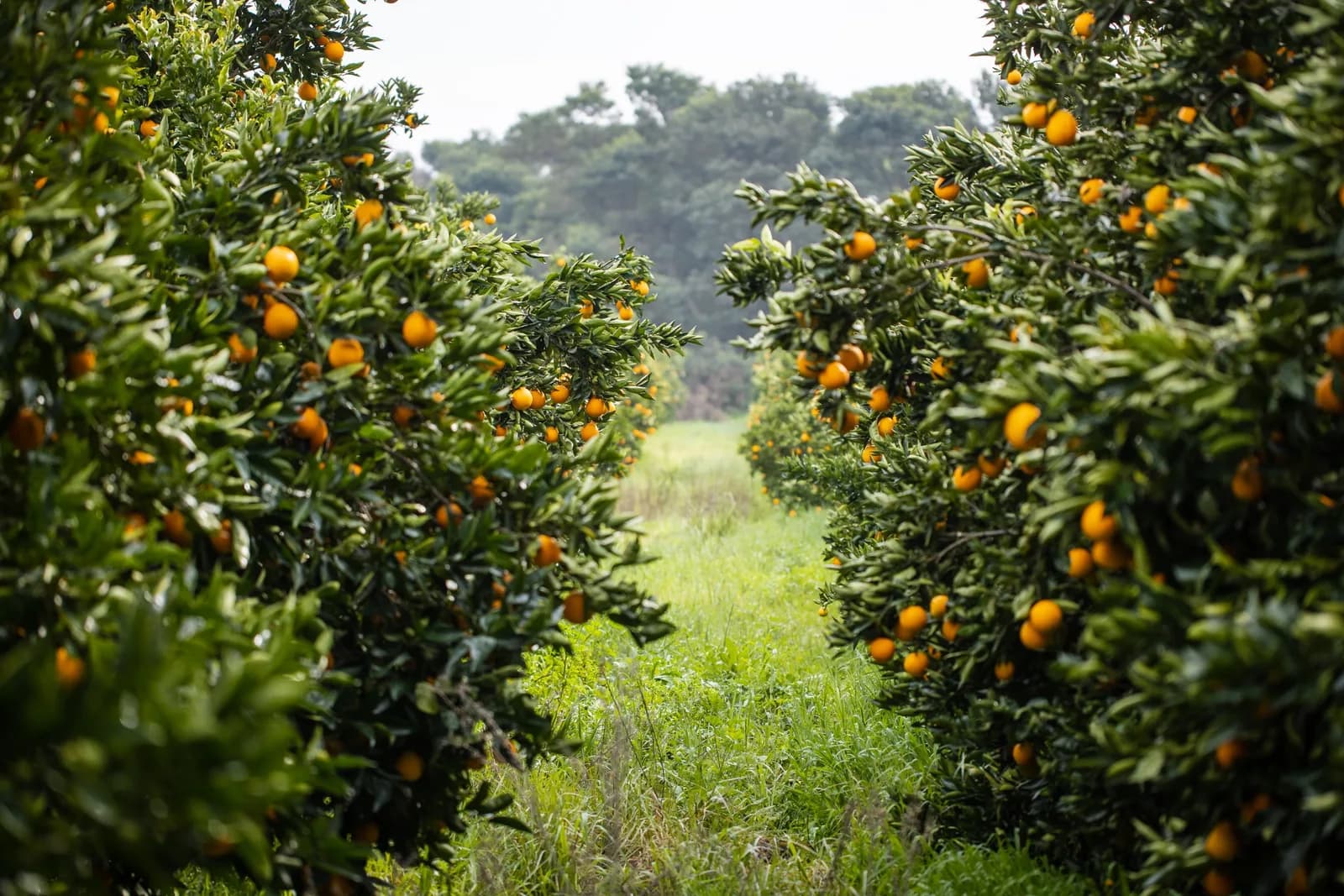
For fruit exporters, the practical benefit is therefore mixed: AGOA preserves preferential access that would otherwise disappear, but separate US tariffs continue to raise the landed cost of products such as table grapes, apples, pears, stone fruit and soft citrus. South Africa exported about US$504 million worth of agricultural products to the US in 2025, making the market particularly important for citrus, table grapes, raisins, nuts and wine.
AGOA still prevents an additional tariff layer
AGOA allows qualifying South African products to enter the US without the normal duties that would otherwise apply. Agricultural economist Wandile Sihlobo noted that without AGOA, affected South African products could face roughly another 3% in normal import duties on top of the newer US tariffs. Maintaining AGOA therefore prevents South African exporters from becoming even less competitive against suppliers such as Chile and Peru. The extension consequently matters even though it does not restore the largely duty-free trading environment exporters previously enjoyed.
Separate 12.5% tariff remains
The United States introduced a 12.5% Section 301 tariff on many South African goods in July 2026. AGOA does not override this additional tariff. Several agricultural products are exempt, including oranges, macadamia nuts and certain fruit juices. Other important Western Cape exports, including table grapes, apples, pears, stone fruit, blueberries and wine, remain exposed to this 12.5% duty.
Oranges benefit from a specified tariff exemption
For South African citrus growers, this creates a split market. Oranges currently benefit from a specific tariff exemption, while mandarins and other citrus categories remain subject to additional duties. The Citrus Growers’ Association has called for broader exemptions and a more permanent bilateral trade arrangement.
US remains an important market
The US market remains vital for several South African fruit industries sectors. The citrus sector exported more than 120,000 tonnes to the US in the previous season, representing around 5% of total citrus exports. Industry representatives have stressed the importance of maintaining retailer relationships and shelf space even when tariffs reduce margins.
Table grape exporters are taking a similar approach. SATI (South African Table Grape Industry) CEO Mecia Petersen said the industry intends to continue rebuilding its US presence, noting that current tariff conditions at least place South Africa on a more comparable footing with several Southern Hemisphere competitors.
Why this matters for South African producers
For growers, the AGOA extension removes one immediate risk but does not solve the broader competitiveness problem. Keeping AGOA means South African products avoid additional standard US duties and retain an established trade framework until 2028. However, current Section 301 tariffs can still materially affect margins and importer demand and that makes a more permanent US-South Africa trade agreement increasingly important.
The US remains valuable for industries such as citrus, grapes, raisins, nuts and wine. For South African producers, the next two years therefore provide breathing room rather than a final solution. This provides an opportunity to protect established US programmes while government and industry pursue more durable tariff and market-access arrangements.