
Imported substrate costs squeeze South Africa’s high-value horticulture sector
Rising costs for imported growing substrates are adding fresh pressure to South Africa’s high-value horticulture sector, particularly in production systems that depend on tightly managed root-zone conditions.
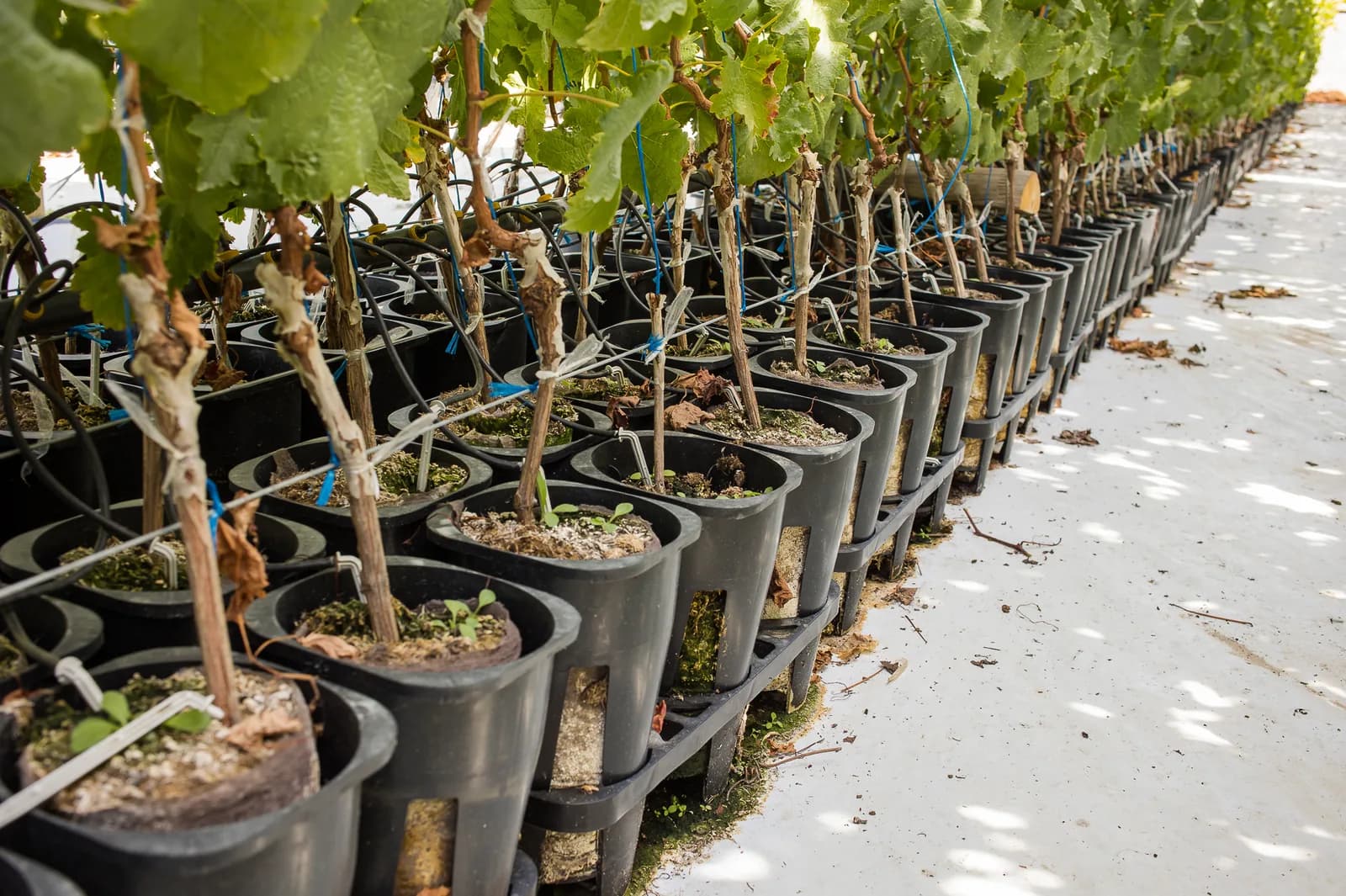
Blueberries, other berry crops, protected vegetables and commercial nurseries are among the most exposed. These sectors rely heavily on materials such as coco coir, peat, perlite and blended growing media for propagation and intensive crop production.
For South African growers, the concern is not only the higher price of the substrate itself, but also the country’s dependence on imported material and the limited scope to switch quickly to cheaper alternatives.
Freight costs drive sharp increases
A large share of the coco coir used in South Africa is imported from India and Sri Lanka, leaving local producers exposed to international freight conditions. Recent shipping disruptions have led to vessel shortages, reduced capacity, rolled bookings and less predictable sailing schedules. According to FreshPlaza, freight increases of around US$3,000 to US$4,000 per container have been reported on some routes, despite relatively stable underlying manufacturing capacity.
South African substrate supplier Glencairns has also indicated that the cost of some containers has risen from about US$1,700 last year to approximately US$6,000. The increase has been linked to a combination of geopolitical instability, reduced competition between shipping lines and the cost of repositioning empty containers.
Weather adds pressure at origin
Supply conditions in coco-producing countries are creating an additional challenge. Coco coir is produced from coconut husks, meaning weather conditions directly affect drying and processing. Extreme monsoon conditions can disrupt production and influence the moisture content and availability of material. Suppliers therefore need to manage raw-material quality, processing capacity, shipping windows and freight costs at the same time. For South African buyers, this creates greater uncertainty around both price and delivery timing.
Why substrates matter to growers
Growing miduim materials play a central role in intensive horticultural systems because they give growers greater control over the root environment. Substrates can be selected and blended to provide specific levels of drainage, aeration, water retention and nutrient availability.This is particularly important in blueberries, where root-zone conditions are critical and natural soils may not always be suitable. Container-based and substrate production allows growers to manage irrigation, nutrition and pH with greater precision, but it also creates dependence on the consistent supply of suitable media.
Blueberries, vegetables and nurseries most exposed
The impact extends across several parts of South Africa’s horticultural value chain. Blueberries, raspberries and strawberries are among the crops most dependent on substrate systems, especially in intensive or container-based production. Protected vegetables such as tomatoes, peppers, cucumbers and aubergines also make extensive use of controlled growing media in tunnel and greenhouse systems.
Commercial nurseries represent another important point of exposure. Fruit-tree, vine and vegetable propagation facilities rely on specialised substrates to produce uniform and healthy planting material. Higher substrate costs can therefore move further down the value chain by increasing the cost of orchard establishment, vineyard development and vegetable production. Seed production and other protected-cropping systems face similar pressures.
Limited room to substitute
Growers cannot necessarily replace one substrate with another simply because prices rise. Different materials have specific physical and chemical characteristics, and changing a growing medium can alter irrigation requirements, nutrient availability, drainage and root-zone behaviour. A cheaper alternative can therefore introduce production risks that outweigh the immediate saving. This limits the ability of growers to respond quickly when imported substrate costs increase.
Why this matters for South African producers
For high-value horticulture, substrate inflation adds to an already difficult cost environment as growers are simultaneously managing higher expenditure on labour, fertiliser, electricity, logistics and other production inputs. Substrate-dependent systems are particularly vulnerable because the growing medium is not an optional input. It forms part of the production system itself.
The broader concern is therefore margin pressure as higher substrate costs can raise nursery prices, increase crop-establishment costs and reduce the profitability of intensive production systems. In export-oriented sectors such as blueberries, those increases ultimately affect South Africa’s ability to remain competitive against other producing countries.
The current situation also highlights the importance of supply-chain resilience. For South African growers, future substrate decisions may increasingly involve not only agronomic performance, but also security of supply, freight exposure and the long-term availability of alternative materials.