
China’s zero-tariff framework starts lowering costs for South African exporters
South African exporters are already seeing tangible savings under China’s new zero-tariff framework, with early shipments of apples, wine and cut flowers clearing customs at lower cost.
The framework came into effect on 1 May 2026 and is beginning to strengthen the commercial case for South African producers and exporters looking to diversify beyond traditional markets. For the fresh-produce sector, the key opportunity is not only lower tariffs, but improved competitiveness in a market that South Africa has been working to develop for several years.
Apple exporters see immediate savings
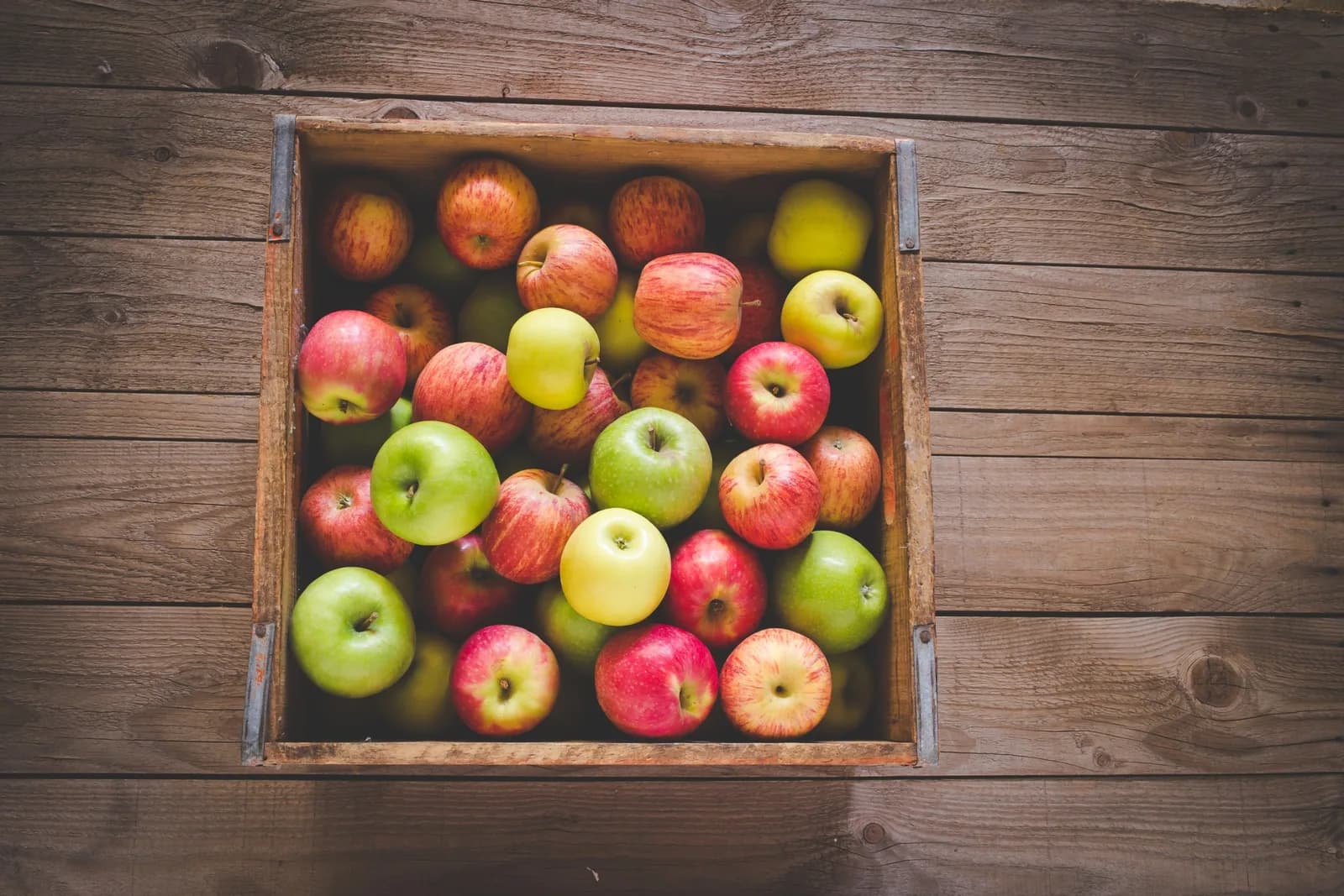
According to Standard Bank executive Bill Blackie, writing in Food For Mzansi, the first South African apple shipment to clear Shenzhen Bay Port under the new framework benefited from the removal of a previous 10% tariff. The importer estimated savings of about RMB20,000, or roughly R323,000, on that shipment alone. Based on historical import volumes, annual savings were projected at more than US$1.47 million, equivalent to about R23.7 million. This illustrates how tariff removal can materially reduce landed costs and improve the price competitiveness of South African fruit in China.
Wine and flowers also benefit
The savings are not limited to fruit. A shipment of more than 7,000 South African cut-flower stems reportedly generated duty savings of more than US$1,176. More than 6,000 bottles of South African wine also cleared under the framework, with tariff savings of around US$3,090 on the consignment and projected annual savings of roughly US$735,300. Together, these examples suggest that the framework could support a broader range of agricultural and horticultural exports.
Diversification is the bigger prize
The significance for South African producers extends beyond the immediate tariff reduction. Blackie argues that the opportunity lies in lowering landed costs while also reducing dependence on a relatively narrow group of established export destinations. That is becoming increasingly important as producers face disruption from shipping constraints, geopolitical instability and changing tariff conditions in traditional markets. China therefore offers potential not simply as an additional buyer, but as part of a broader market-diversification strategy.
Market access still needs to be converted into demand
Lower tariffs alone will not guarantee higher exports. South African producers still need reliable phytosanitary access, suitable cultivars, strong distribution channels and products that match Chinese consumer preferences. Recent progress on market access for products such as cherries and citrus strengthens the opportunity, but exporters will still need to build demand and establish consistent supply programmes. This is particularly important for fresh produce, where lower duties can improve competitiveness but cannot compensate for poor market positioning or weak route-to-market structures.
Currency costs remain a factor
Another consideration is how trade is settled. Much of Africa-China trade is still invoiced in US dollars, which can add conversion costs and slow settlement despite neither trading partner using the dollar domestically. Blackie argues that greater use of renminbi settlement infrastructure could help exporters retain more of the benefit created by zero tariffs. Further changes to renminbi clearing and liquidity access are expected from 2027.
Why this matters for South African producers
For South African fruit exporters, the early shipments show that tariff reform can translate directly into lower market-entry costs. That matters as growers look for alternatives to increasingly competitive traditional destinations. Apples are an especially relevant example because even a 10% tariff removal can make a meaningful difference to landed cost and importer margins. The opportunity now is to turn that cost advantage into sustainable demand.
For producers, China’s zero-tariff framework improves the economics of market diversification, but the longer-term value will depend on whether South African exporters can pair cheaper access with the right products, strong partnerships and consistent supply.