
Fuel price surge puts pressure on South African vegetable prices and grower returns
South Africa's sharp fuel price increases in October are placing additional pressure on vegetable producers and consumers, raising the cost of growing and transporting fresh produce at a time when domestic vegetable markets are already experiencing considerable price volatility.
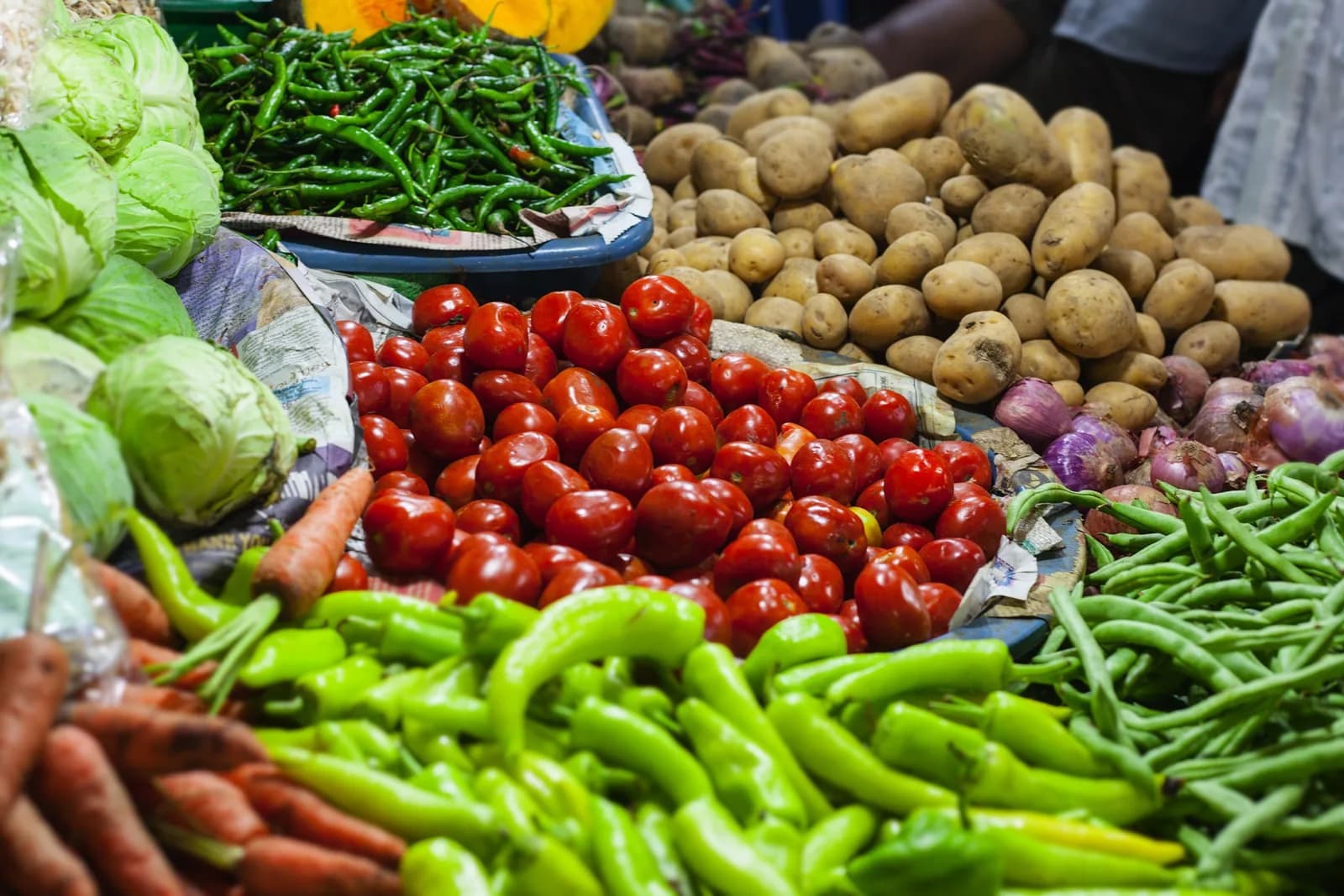
While some vegetable prices have increased dramatically due to seasonal shortages, higher production and transport costs are threatening to erode growers' returns even when market prices are favourable.
Fuel prices increased substantially on 7 October, with diesel rising by between R2.84 and R3.24 per litre and petrol by between R3.12 and R3.33 per litre. According to the Department of Mineral and Petroleum Resources, the increases were driven largely by rising international crude oil prices and geopolitical tensions affecting global energy markets.
For vegetable growers, the effects extend across the production and distribution chain. Diesel is an essential input for mechanised farming operations, irrigation systems and the transport of produce from farms to fresh produce markets and retailers.
Given the considerable distances between South Africa's major vegetable production regions and urban markets, increased transport costs are particularly significant. These costs place pressure on growers' margins, especially when market prices are low, while also creating the potential for higher prices for consumers.
The fuel price increases have coincided with sharp fluctuations in vegetable prices. According to agricultural economist Conce Moraba of Agricultural Market Trends (AMT), reporting in the GroundRules market updates, tomato prices surged by 44% to R12.24/kg in early October, while potatoes increased by more than 15% to R77.49 per 10kg bag. Onion prices remained exceptionally high at R148.48 per 10kg, approximately 268% above the corresponding period last year.
While these price increases were primarily driven by seasonal supply shortages, weather conditions and changing market volumes rather than fuel costs, the situation illustrates the difficult balance facing vegetable growers. While temporary shortages can create opportunities for higher prices, improved harvest volumes can quickly reverse these gains. Recent market reports have already indicated declining tomato and potato prices as supplies recover.
Higher fuel costs are unlikely to decline as quickly as vegetable prices, leaving producers exposed to a potential squeeze between rising input expenses and weakening returns.
For consumers, the outlook is similarly uncertain. Increased vegetable supplies may bring relief at wholesale level, but higher transport and distribution costs could limit how much of these savings reach supermarket shelves.
The central concern for South Africa's vegetable industry is that rising production and logistics costs are increasing the financial pressure on growers, even when vegetable prices appear strong. With market prices largely determined by supply and demand, producers have limited ability to recover these additional expenses, placing further pressure on profitability and the long-term sustainability of domestic vegetable production.