
New markets offer limited short-term relief for South Africa’s growing avocado crop.
South Africa’s avocado industry is producing more fruit, but the bigger challenge is now finding profitable markets for it.
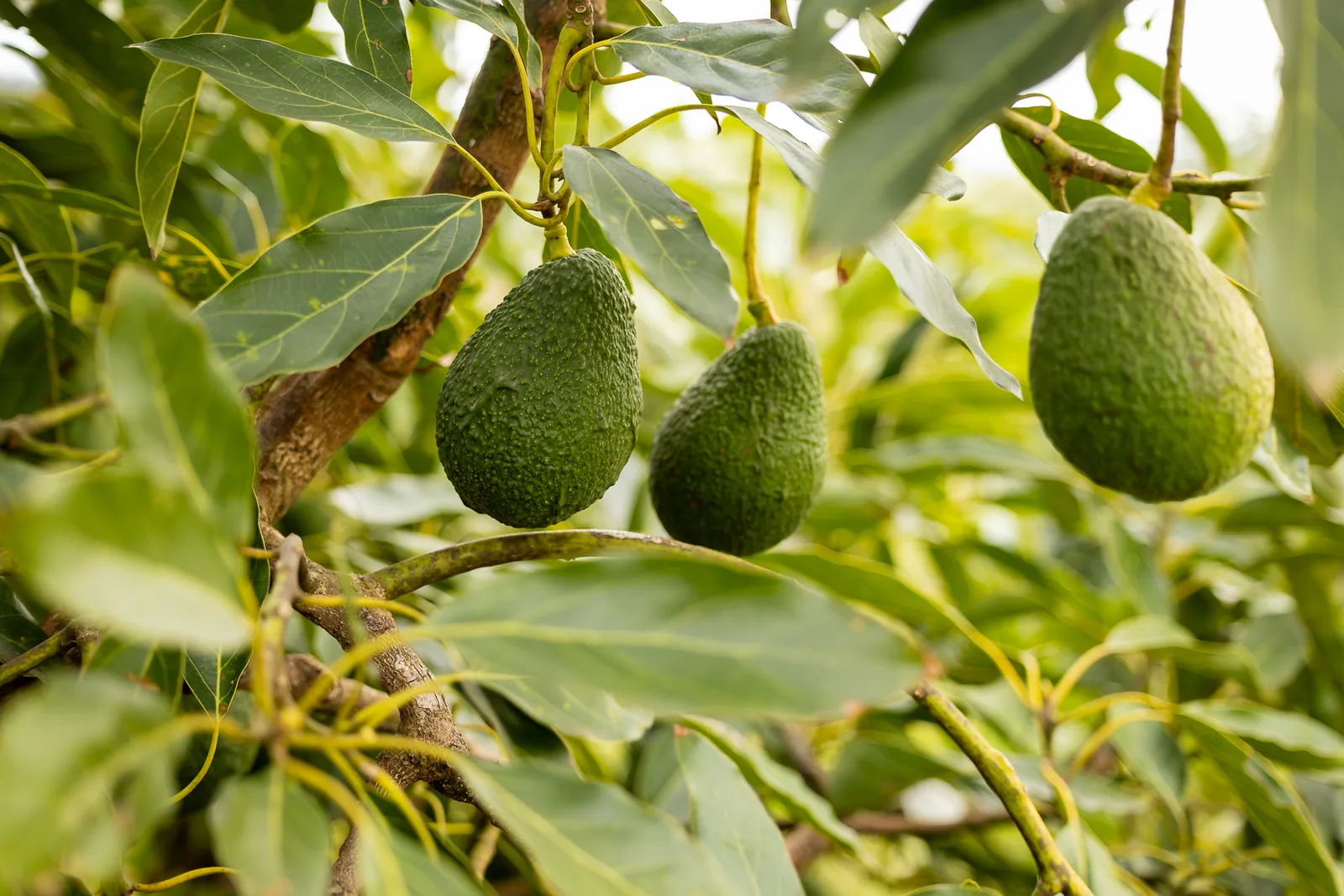
Exports rose nearly 16% this season to about 21 million 4kg cartons, yet heavy overlap with Peru, Brazil and later Kenya placed pressure on prices in Europe. Although new destinations such as China and Japan offer long-term potential, industry leaders warn that these markets will take years to develop and are unlikely to absorb rising South African volumes quickly. That leaves growers increasingly exposed to timing, market concentration and competition in the EU, which remains South Africa’s dominant avocado destination.
Weather disrupted South Africa’s early window
Absa’s AgriTrends Spring 2026 report highlighted the importance of timing in an increasingly competitive avocado market. Above-average rainfall and persistent wet conditions in Limpopo and Mpumalanga delayed harvesting in some areas, narrowing South Africa’s traditional early-season advantage and increasing overlap with Peru. According to Subtrop CEO Derek Donkin, South Africa had hoped to move significant volumes into Europe ahead of Peru, but Peruvian and Brazilian growers followed a similar strategy.
By week 17, the market was oversupplied and remained under pressure for much of the season. Prices later improved before weakening again as Kenyan fruit entered the market. Peru remains a dominant global supplier, while competition from Kenya, Colombia, Brazil and Morocco is also increasing. For South African growers, this means that simply producing more fruit is no longer enough. The challenge is increasingly about when fruit reaches the market and whether it can be sold profitably. Later-maturing Hass-type cultivars, including Lamb Hass, could help extend the South African season and reduce exposure to periods of peak Peruvian supply.
Europe still dominates exports
Despite efforts to open alternative destinations, the EU remains South Africa’s main avocado market. Only small volumes were sent to India this season, where high import tariffs remain a major obstacle. Middle Eastern exports were limited by conflict, while only a few consignments reached China and none were exported to Japan. Zama Sangweni, agricultural economist at Absa AgriBusiness, said the industry needs to distinguish between gaining access to a market and actually developing demand within it. New destinations such as China may offer long-term potential, but exporters still need to understand consumer preferences, build supply programmes and create sufficient demand to absorb growing volumes.
Phytosanitary barriers remain a challenge
China currently requires South African avocados to undergo methyl bromide treatment for phytosanitary purposes. Subtrop is seeking approval for a systems approach instead, arguing that methyl bromide can damage fruit and increase export risk. Japan currently requires cold treatment, which also carries a risk of fruit damage. South Africa is similarly seeking an alternative systems approach, but resolving these requirements could take several years. This means new markets are unlikely to provide a quick outlet for expanding production.
Why this matters for South African growers
The latest season shows that market diversification is essential, but it is not an immediate solution to production growth. South African avocado volumes continue to increase, while Europe remains the dominant destination and is becoming more crowded with competing supply. For growers, future profitability will therefore depend on more than expanding production. Harvest timing, cultivar choice, market development, phytosanitary access and the ability to spread fruit across a wider range of destinations will all become increasingly important. The key challenge is no longer simply whether South Africa can grow more avocados, but whether the industry can place that additional fruit into markets that return sustainable value to producers.