
South Africa's tree nut industry expands into new crops and production regions
South Africa's tree nut industry has undergone significant expansion over the past decade, establishing the country as a leading international producer of macadamias and a rapidly growing supplier of pecans. With substantial investment in new orchards, processing infrastructure and improved production methods, the sector is now exploring opportunities to diversify into additional high-value nut crops, including walnuts, almonds and pistachios.
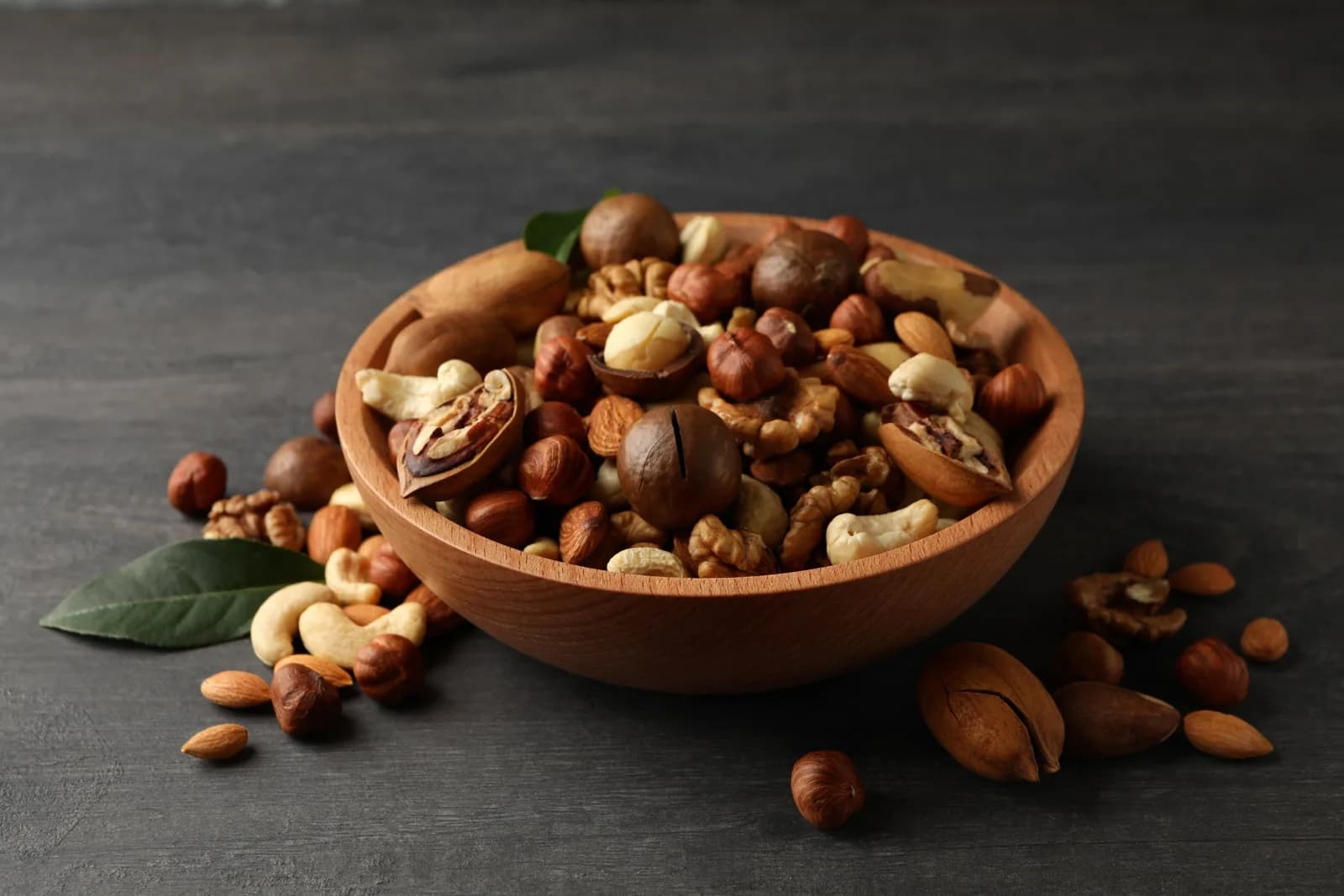
Historically, commercial tree nut production in South Africa has centred on two principal crops: macadamias, grown mainly in the subtropical northeastern regions, and pecans, cultivated predominantly in the irrigated interior.
Both industries have benefited from growing international demand and investment in orchard development, transforming tree nuts into an increasingly important component of South Africa's agricultural export economy.
Macadamias establish South Africa as a global leader
The country's macadamia industry has experienced particularly rapid growth. According to industry statistics published by the International Nut and Dried Fruit Council, production increased from approximately 28,400 tonnes of nut-in-shell in 2010 to more than 87,000 tonnes in 2024, more than tripling over this period.
South Africa has consequently established itself among the world's largest macadamia producers and exporters. Production remains concentrated in Mpumalanga, Limpopo and KwaZulu-Natal, particularly around Mbombela, White River, Hazyview, Tzaneen and the KwaZulu-Natal coastal regions. New orchards continue to be established, especially in Mpumalanga and KwaZulu-Natal, while suitable areas in other provinces are also being evaluated for commercial production.
The industry is strongly export-oriented, with China and other Asian countries providing major markets for in-shell macadamias. Processed kernels are exported principally to markets including Europe, the United States and Japan, where demand is supported by their increasing use in confectionery, bakery products, snacks and plant-based foods.
The expansion has also encouraged investment in local processing facilities, creating opportunities for greater value addition and employment. However, rapid global production growth has periodically resulted in oversupply and price pressure, reinforcing the need for improved productivity, consistent quality and diversified export markets.
Pecans emerge as another major export industry
South Africa's pecan industry has followed a similarly impressive growth trajectory, with production expanding rapidly across the Northern Cape, Free State and North West. The Vaalharts irrigation region has become particularly important, alongside established production areas around Upington, Douglas, Prieska and parts of the Free State.
According to the South African Pecan Nut Producers Association (SAPPA), the industry has continued to increase production volumes as younger orchards reach commercial maturity. By early September 2026, participating processors had received approximately 57,700 tonnes of pecans, around 19% more than at the corresponding stage of the previous season.
China remains overwhelmingly the industry's most important export destination, purchasing more than 97% of South Africa's in-shell pecan exports. The introduction of zero-tariff access for qualifying South African products entering China in May 2026 has provided a further competitive advantage.
However, the industry's dependence on a single major market also presents risks, encouraging increased attention to developing kernel markets in Europe, expanding domestic consumption and investigating other international destinations.
New tree nut crops offer opportunities for diversification
While macadamias and pecans dominate commercial production, South African growers are increasingly investigating the potential of other tree nuts.
Walnuts and almonds, traditionally associated with temperate and Mediterranean growing conditions, offer opportunities in selected areas of the Western Cape and the country's interior, where suitable winter temperatures, irrigation resources and soil conditions are available. These crops remain relatively small in South Africa compared with established international producers, but improved varieties and rootstocks could open new possibilities for commercial production.
Pistachios are also attracting attention as a potential crop for drier production regions. A commercial pistachio venture established at Platberg Farm near Prince Albert in the Great Karoo illustrates the growing interest in exploring alternative tree nut production under South African conditions.
Although such projects are still developing, they demonstrate how growers are looking beyond conventional crops to identify new opportunities for diversification.
Varietal innovation becomes increasingly important
As the nut industry expands, access to suitable varieties is becoming a critical consideration. Different cultivars offer advantages in yield, nut size, kernel recovery, disease resistance, maturity and adaptability to local climates. These characteristics can have a substantial effect on production costs and growers' returns.
This growing demand for improved genetics has encouraged investment in specialist cultivar development and intellectual property management. One example is TopNut, established in 2022 through a partnership between South African fruit variety specialist TopFruit and Agristar.
The company focuses on introducing, evaluating and commercialising improved nut varieties, including macadamias, pecans, walnuts and almonds, for growers in South Africa and other production regions. Its development reflects the increasing sophistication of the sector and the importance of scientific and commercial innovation in supporting future growth.
Opportunities and challenges ahead
The continued expansion of South Africa's tree nut industry offers significant opportunities for growers, processors and exporters. However, establishing new orchards requires substantial investment, and tree nuts can take several years to reach full commercial production. Careful consideration of water availability, cultivar performance, production costs and long-term market demand is therefore essential.
For emerging nut industries, successful commercial development will depend on research, suitable planting material, technical expertise and reliable routes to market.
Building on the remarkable success of macadamias and pecans, South Africa is now entering a new phase of tree nut development. With expanding production regions, growing international markets and renewed investment in improved varieties, the sector has the potential to broaden its contribution to the country's agricultural exports while creating new opportunities for commercial diversification.
Sources:
International Nut and Dried Fruit Council
https://inc.nutfruit.org/wp-content/uploads/2026/01/Nutfruit_Nov2025-low_links_.pdf
SAPPA
https://www.sappa.za.org/2026-harvest-update-september
Fruitnet
Prince Albert Municipality