
High hopes meet a challenging reality at Durban's container terminal
The appointment of international terminal operator ICTSI to manage the Durban Gateway Terminal was hailed as a major step towards improving the country's logistics performance. However, the first year of the much-anticipated partnership with Transnet has proved challenging, with serious operational disruptions raising concerns about how quickly the expected improvements will materialise.
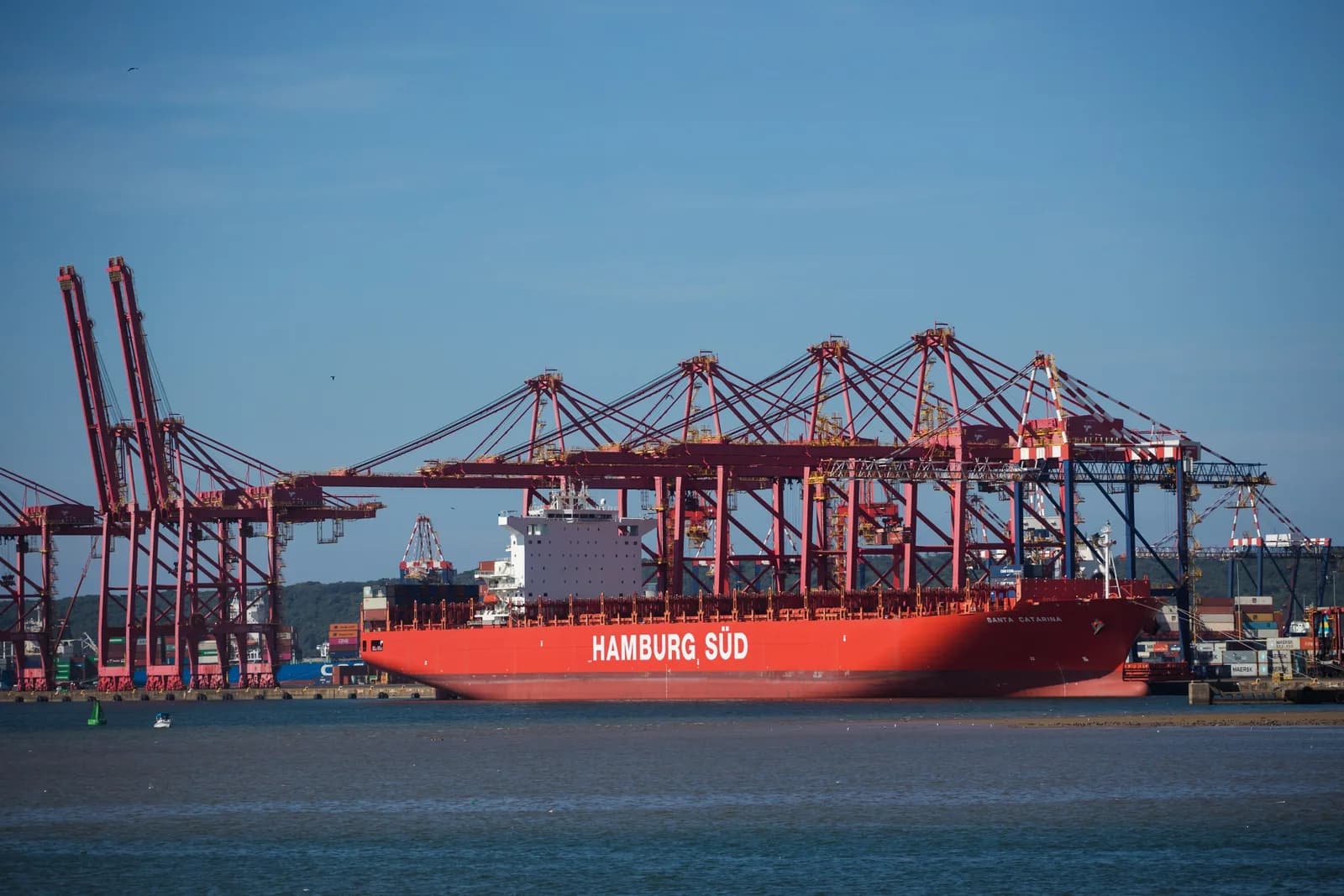
The partnership between Transnet and Philippines-based International Container Terminal Services Inc (ICTSI) officially commenced on 1 January 2026, following a lengthy procurement process and legal challenges.
Under the 25-year agreement, Transnet retains a 51% shareholding in Durban Gateway Terminal, previously known as Durban Container Terminal Pier 2, while ICTSI holds 49% and is responsible for daily operations.
The agreement was widely regarded as a significant development in South Africa's efforts to improve port efficiency through private-sector participation. Pier 2 handles approximately 46% of the country's container traffic, making its performance critical to the competitiveness of export industries, including fresh produce.
For agricultural exporters, who have repeatedly called for greater private-sector involvement in port operations, the partnership offered the prospect of improved vessel turnaround times, more reliable container handling and better coordination across the export supply chain. However, these expectations have been tested by operational challenges, particularly following the implementation of the new Navis N4 terminal operating system in August.
The transition resulted in significant disruptions to cargo movements, truck bookings and vessel operations. Equipment availability constraints compounded the difficulties, contributing to growing congestion and lengthy delays.
By early October, vessels were experiencing average anchorage delays of approximately six days, almost double the waiting times recorded before ICTSI assumed operations, according to Transport Minister Barbara Creecy.
Creecy subsequently met with terminal management and called for a detailed recovery plan to address the backlog. While acknowledging the difficulties associated with introducing new systems, she emphasised the need for effective communication with customers during the transition.
Despite the disappointing start, the longer-term investment programme remains significant. Initial equipment upgrades valued at R737 million form part of plans to increase terminal handling capacity by 40% to approximately 2.8 million twenty-foot equivalent units annually by 2030.
The Citrus Growers' Association of Southern Africa (CGA) has maintained its support for increased private-sector participation in South Africa's ports and rail infrastructure, while acknowledging that meaningful improvements will take time.
For South African fruit exporters, the immediate priority is restoring operational stability and ensuring that the transition ultimately delivers the efficiencies that the industry has long been anticipating.
The challenges experienced during 2026 are a reminder that structural reform alone does not guarantee immediate improvements. Nevertheless, the partnership represents an important opportunity to address longstanding constraints that have undermined South Africa's export competitiveness.
The industry's confidence in the reform process will increasingly depend on measurable improvements in port performance and the reliability of shipping services.
Sources:
https://www.ictsi.com/press-releases/transnet-and-ictsi-seal-partnership-dct-pier-2
https://www.sabcnews.com/sabcnews/durban-container-terminal-working-to-resolve-backlog-creecy