
Working together to protect South Africa's fruit exports: Three decades of collective pest control
For nearly three decades, South Africa's fruit industries have been working together to combat some of the most serious pests threatening their international market access. Through coordinated, area-wide pest management programmes using the Sterile Insect Technique (SIT), growers, industry bodies, research institutions and government have developed an approach that demonstrates the value of collective action in protecting the country's fruit export sector.
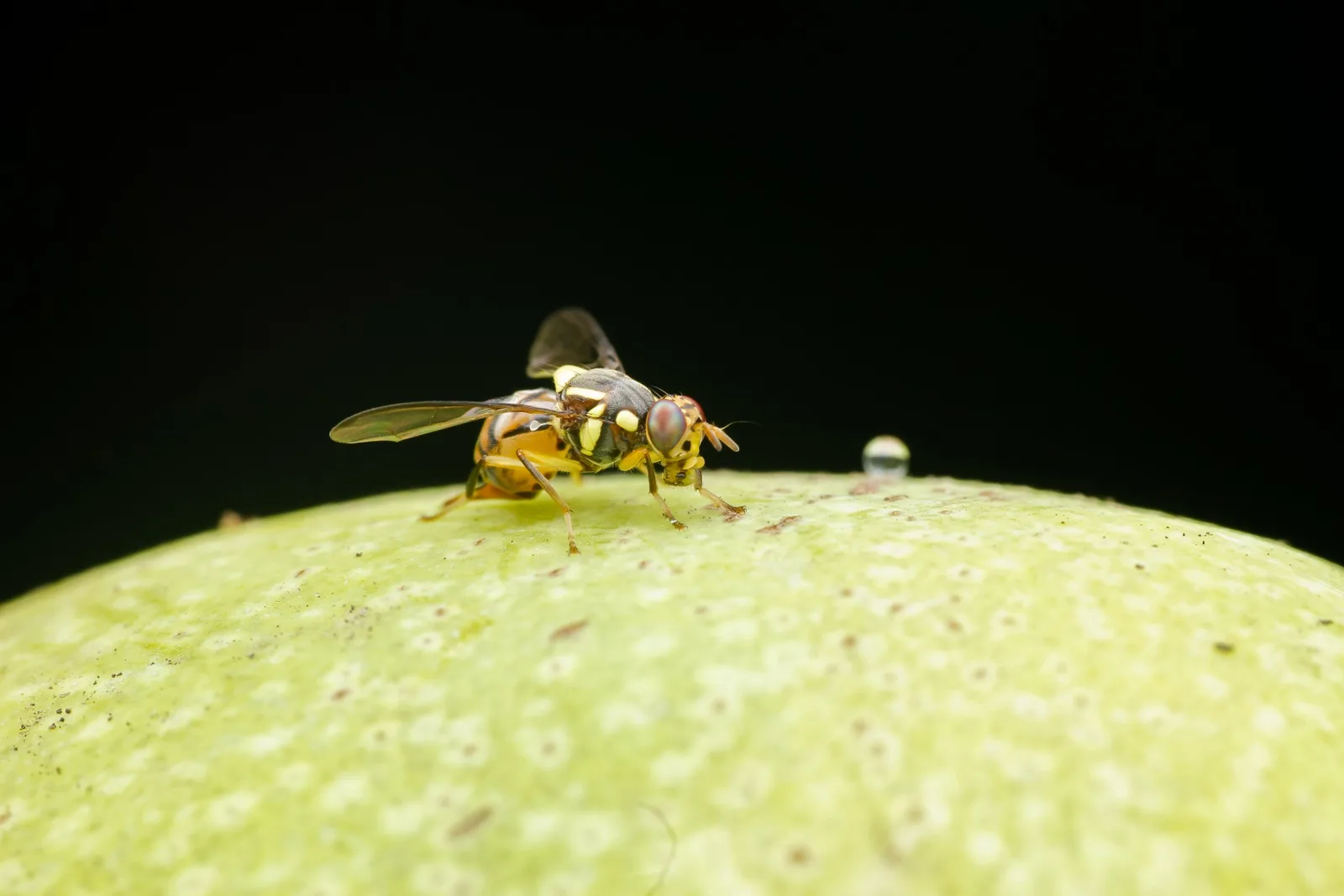
The foundations of South Africa's SIT programmes were established in 1996, when the deciduous fruit industry began exploring the technology to combat Mediterranean fruit fly, a quarantine pest capable of restricting access to international markets.
Since then, the approach has evolved into large-scale pest-management programmes spanning major deciduous fruit, table grape and citrus production regions.
Unlike conventional pest control, which is often undertaken at individual farm level, area-wide programmes require coordinated action across entire production regions. This is particularly important because insect pests move freely between neighbouring farms, commercial orchards, home gardens and other host plants.
The success of these programmes therefore depends on growers working together, even where they produce different fruit crops or compete in the same export markets.
FruitFly Africa provides a notable example of this cooperation. The organisation brings together Hortgro, the Canning Fruit Producers Association, Raisins SA, the South African Table Grape Industry, the Agricultural Research Council and the national Department of Agriculture.
The citrus industry has similarly invested in the development of XSIT, a programme initiated through Citrus Research International to suppress false codling moth populations.
Government has played an important supporting role, contributing institutional involvement, research expertise and financial assistance. In 2024, for example, the Western Cape Department of Agriculture provided R2 million to support the expansion of the XSIT programme.
These investments are particularly significant given the stringent phytosanitary requirements imposed by South Africa's international trading partners. Pest interceptions can lead to costly treatments, rejected consignments and restrictions on market access.
With South Africa exporting a record 203.4 million cartons of citrus in 2025, effective phytosanitary management is becoming increasingly important.
The success of these long-running initiatives reflects more than technological innovation. It demonstrates the ability of competing businesses, different fruit sectors and government institutions to cooperate in addressing shared challenges.
As South Africa's fruit export industry continues to expand, this model of sustained industry-wide collaboration remains a valuable means of protecting market access and safeguarding the country's international competitiveness.
Sources: FruitFly Africa – History of SIT in South Africa; FruitFly Africa – Industry stakeholders; International Plant Protection Convention, April 2025; XSIT.