
CropLife SA expands online training on safe use of crop-protection products
CropLife South Africa is offering an online training programme aimed at helping farmers and farm teams use agricultural remedies more safely and responsibly.
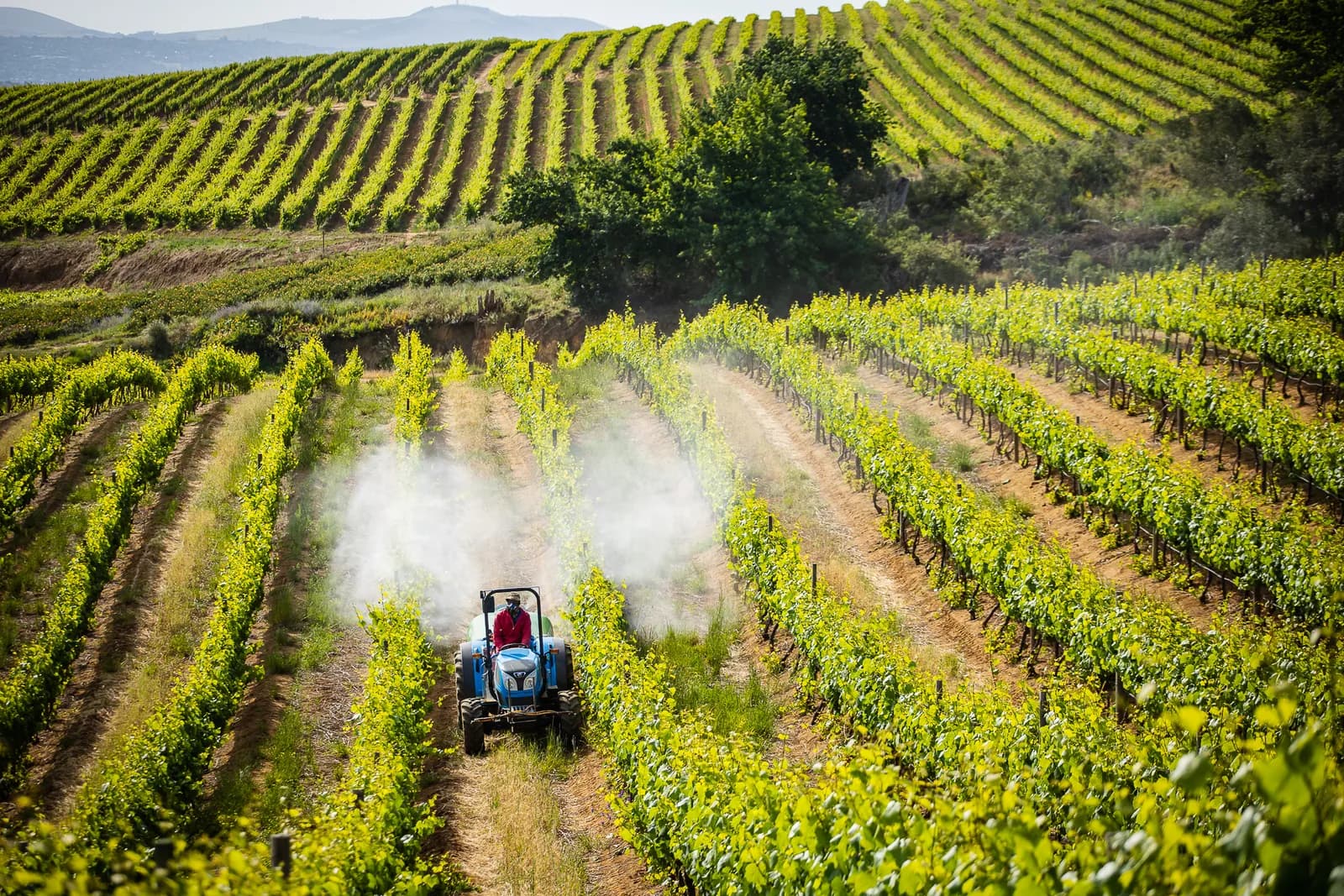
The self-paced Responsible Use of Agricultural Remedies: Train the Trainer course is open to farmers, managers, supervisors and farmworkers, with enrolment available throughout the year. The programme comes as crop-protection options continue to expand and regulatory requirements around agricultural remedies and product labelling become more complex.
Training for practical on-farm use
According to Food for Mzansi, CropLife SA says growers now work with a broader crop-protection toolbox that includes integrated pest management, biological products, lower-risk technologies and conventional agricultural remedies. That wider range of options creates a greater need for correct handling and application. Misuse can place workers and the environment at risk and may also affect the future availability of certain products.
The course covers agricultural-remedy regulations, label interpretation, personal protective equipment, safe handling, emergency response, decontamination and the disposal of waste and empty containers. Participants have three months to complete the programme, although it can be completed in a single day. Successful participants receive a certificate valid for three years.
Knowledge intended to spread across farm teams
A key feature of the programme is its train-the-trainer approach as rather than limiting the benefit to one employee, participants retain access to training resources that can be used to reinforce safe practices with the wider farm team. This is particularly relevant for farms employing seasonal labour, where supervisors and permanent staff often play an important role in ensuring that new workers understand correct procedures.
Regulations continue to evolve
CropLife SA has also highlighted changes in the regulatory environment as a reason for keeping farm teams up to date. South African rules around certain restricted agricultural remedies have introduced additional responsibilities, while the Globally Harmonised System has changed the way chemical hazards are communicated on labels and supporting information. Practical training can help workers understand how these requirements apply during mixing, application, storage and disposal rather than relying only on written instructions.
Why this matters for South African producers
For growers, crop-protection training is both a safety and risk-management issue. Incorrect handling can lead to worker exposure, environmental damage, residue problems and non-compliance with product labels or market requirements. Training supervisors and farmworkers to understand labels, PPE requirements and correct disposal procedures can therefore help reduce operational risk while supporting responsible use of the crop-protection products on which many production systems depend. As regulations and available technologies continue to change, keeping farm teams properly trained is likely to become an increasingly important part of maintaining safe, compliant and sustainable production.