
Citrus Research International hosts 13th Citrus Research Symposium
A total of 870 delegates, including citrus growers, researchers and industry stakeholders gathered at Champagne Sports Resort in the Drakensberg, KwaZulu-Natal for Citrus Research International’s (CRI) 13th Citrus Research Symposium, which was held from 23 to 26 August 2026. The event showcases the latest scientific research and technical developments relevant to the southern African citrus industry.
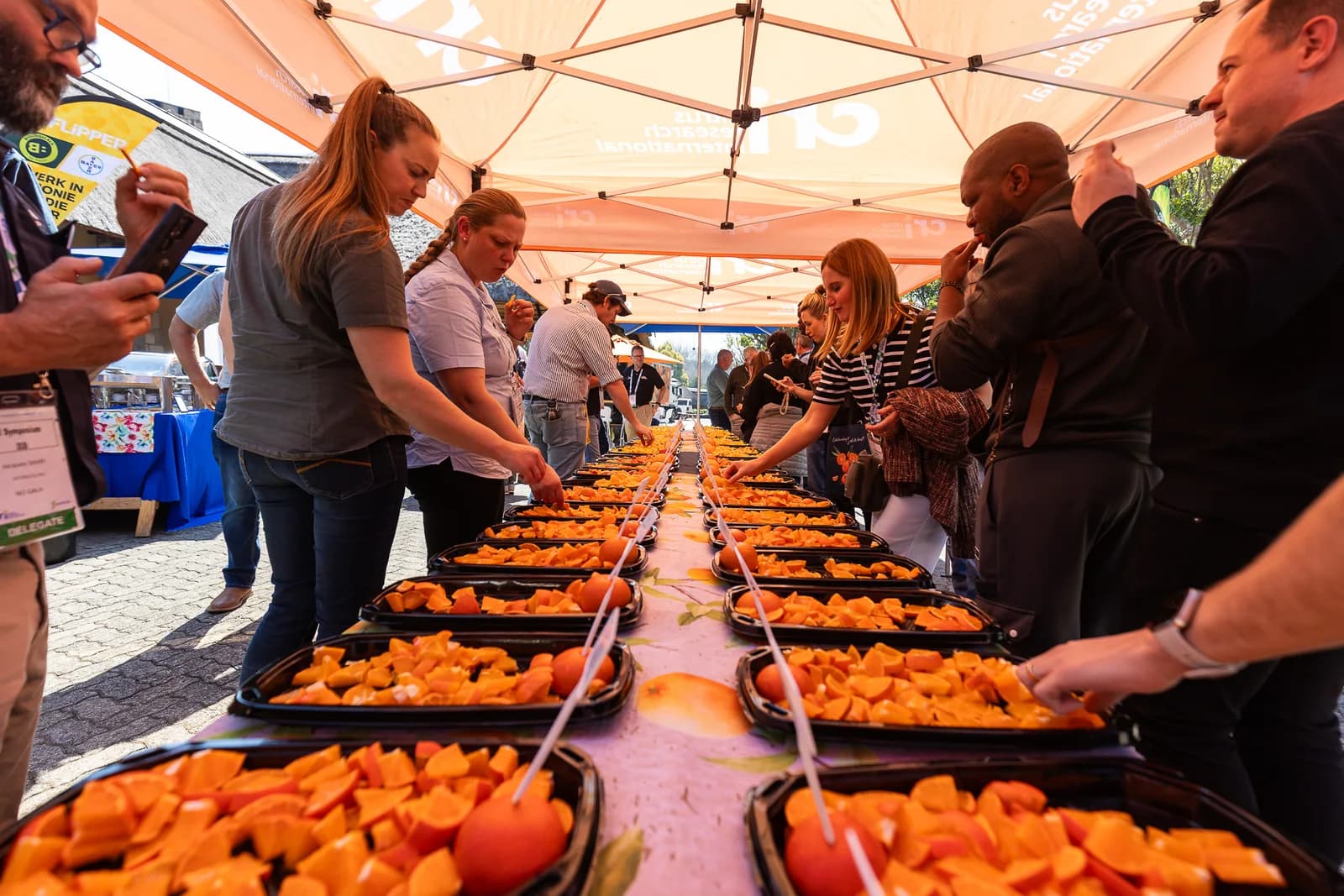
Held every two years, the symposium has become one of the Southern African citrus industry’s most important technical events, bringing together growers, packhouses, exporters, researchers, service providers and international research partners. The event is extremely popular and tickets for the 2026 event were sold out months in advance.
The four-day programme featured a broad range of scientific presentations addressing issues that directly influence citrus production, market access and the industry’s long-term competitiveness, with international specialists joining South African researchers and technical experts to share developments in citriculture, integrated pest management, disease management and biosecurity.
The research expertise behind South Africa's citrus industry
The significance of this research is underscored by the scale of South Africa’s citrus industry, which is the world’s largest exporter of citrus fruit, supports more than 120 000 jobs and is valued at more than R30 billion. Its global success has been built on decades of investment, innovation and collaboration, underpinned by the research and technical expertise provided by Citrus Research International.
CRI chief executive Dr Vaughan Hattingh described the symposium as an important platform for anyone involved in this industry. “The CRI symposium is really a must for anybody that has an investment in the southern African citrus industry,” Hattingh said. “It is essential to get an understanding of the scope of what the industry deals with and what the industry is supplied with in terms of technology to make it robust, sustainable and competitive into the future.”
The symposium reflects the increasingly important role of research in supporting an industry that is a major contributor to southern African agriculture. Maintaining access to international markets is a central focus of CRI’s work. Export markets impose increasingly stringent phytosanitary requirements, requiring ongoing research and technical support to manage pests and diseases and ensure fruit complies with destination-country protocols.
Biosecurity is also a high priority. CRI works with government, growers and international research institutions to reduce the risk posed by exotic pests and diseases that could threaten citrus production or restrict market access. The organisation’s research programmes provide growers with science-based tools to manage existing production challenges while strengthening preparedness for future threats.
CRI is funded through a statutory levy collected on citrus export cartons. Its research and technical programmes serve citrus growers across southern Africa, including producers in South Africa, Eswatini, Zimbabwe, Botswana, Namibia and Mozambique.
Citrus Irrigation Publication launch
Alongside the scientific programme, this year’s symposium included the launch of Citrus Irrigation, a new technical publication compiled by Dr P.A. Myburgh and Dr J.L. van Zyl.
Developed through a CRI-led project and sponsored by Netafim, the publication combines research conducted in southern Africa and internationally with input from growers and technical specialists.
It provides practical guidance on irrigation scheduling, water-use efficiency, the consequences of poor irrigation management and water-quality challenges. The book is intended as a reference for citrus growers, advisors, students and other industry participants.
The combination of scientific presentations, international collaboration and practical knowledge transfer again placed research at the centre of discussions about the future productivity, resilience and global competitiveness of the southern African citrus industry.