
India eases phytosanitary treatment requirements for SA citrus, opening door for stronger SA exports
South African citrus exporters have gained greater opportunity in accessing the Indian market after India approved additional fruit fly cold-treatment options for locally produced citrus.
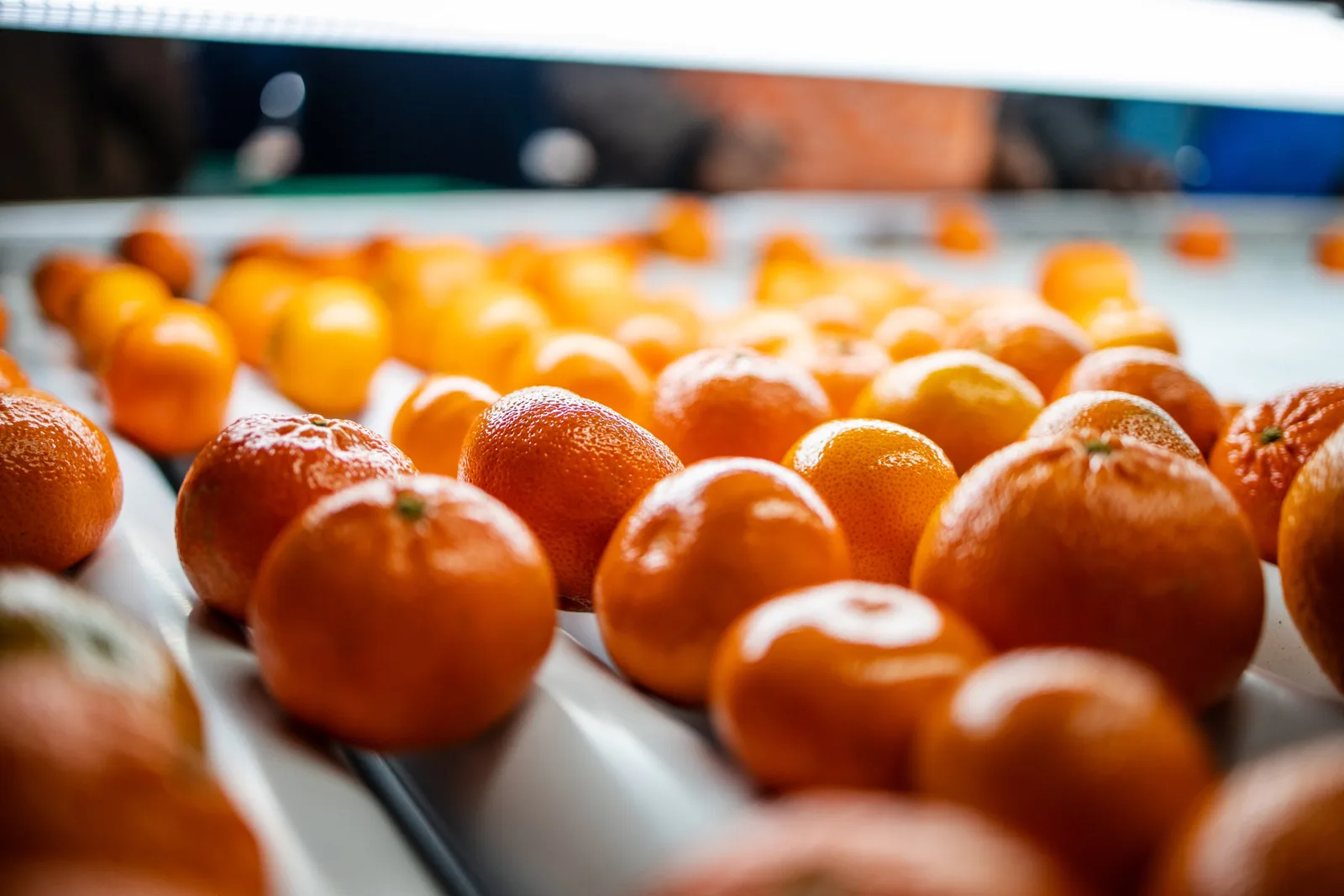
The agreement follows almost a decade of negotiations between South African and Indian authorities and could help improve fruit quality and logistics for exporters targeting one of the world’s largest consumer markets. The Citrus Growers’ Association of Southern Africa (CGA) and the Department of Agriculture announced the breakthrough, which expands the approved phytosanitary treatment options available for citrus shipped from South Africa. For growers, the development removes an important technical constraint, although significant commercial barriers remain.
More flexibility for exporters
Cold-treatment protocols are used to manage phytosanitary risks associated with fruit flies and are a condition of access to certain export markets. Expanding the treatments accepted by India gives exporters greater flexibility in managing shipments while potentially reducing the impact of treatment requirements on fruit quality.
Agriculture Minister Willie Aucamp said the agreement demonstrated how technology could assist South African producers in overcoming barriers to international markets. CGA CEO Boitshoko Ntshabele attributed the progress to sustained cooperation between the Department of Agriculture, Citrus Research International, the citrus industry and Indian authorities.
India remains a largely untapped market
Despite its population of close to 1.5 billion and expanding consumer economy, India currently represents only a small share of South African citrus exports. National Agricultural Marketing Council figures cited in the original report indicate that India accounted for approximately 1.5% of South African citrus exports in 2024. This contrasts sharply with Europe, which absorbs roughly 36% of the country’s citrus exports. Expanding markets such as India is therefore strategically important for an industry seeking to spread export risk across a broader range of destinations.South Africa exported agricultural products worth about US$15.1 billion in 2025, with citrus accounting for approximately 17% of that value.
Tariffs remain the bigger commercial hurdle
While the phytosanitary change improves physical market access, it does not remove one of the major obstacles facing South African citrus in India: import tariffs. India’s most-favoured-nation tariffs of approximately 25% to 30% leave South African citrus competing against producers that benefit from preferential trade arrangements. The CGA has indicated that addressing these tariffs will now become a priority in discussions with the Department of Trade, Industry and Competition. Lower phytosanitary barriers can make it easier to get fruit into a market, but tariffs ultimately influence whether that fruit can compete commercially once it arrives.
Why this matters for South African citrus growers
The Indian decision illustrates the difference between gaining market access and creating a viable export market. Additional cold-treatment options give growers and exporters greater operational flexibility and could improve the condition in which fruit reaches Indian consumers. But significantly increasing shipments will depend on whether South African citrus can also compete on price.
For an industry producing increasingly large export crops, developing alternative destinations is becoming more important. Reducing dependence on a relatively small number of established markets can provide additional outlets during large harvests, spread geopolitical and regulatory risk and give exporters more flexibility when market conditions change. India therefore represents a substantial long-term opportunity, but resolving the remaining tariff disadvantage will be critical if South African growers are to fully benefit from the phytosanitary breakthrough.