
Citrus Academy marks 20 years of building skills for South Africa’s growing citrus industry
The Citrus Academy Bursary Fund has awarded more than R35 million in bursaries to 1,093 students over the past 20 years, helping build the technical skills base behind South Africa’s expanding citrus industry.
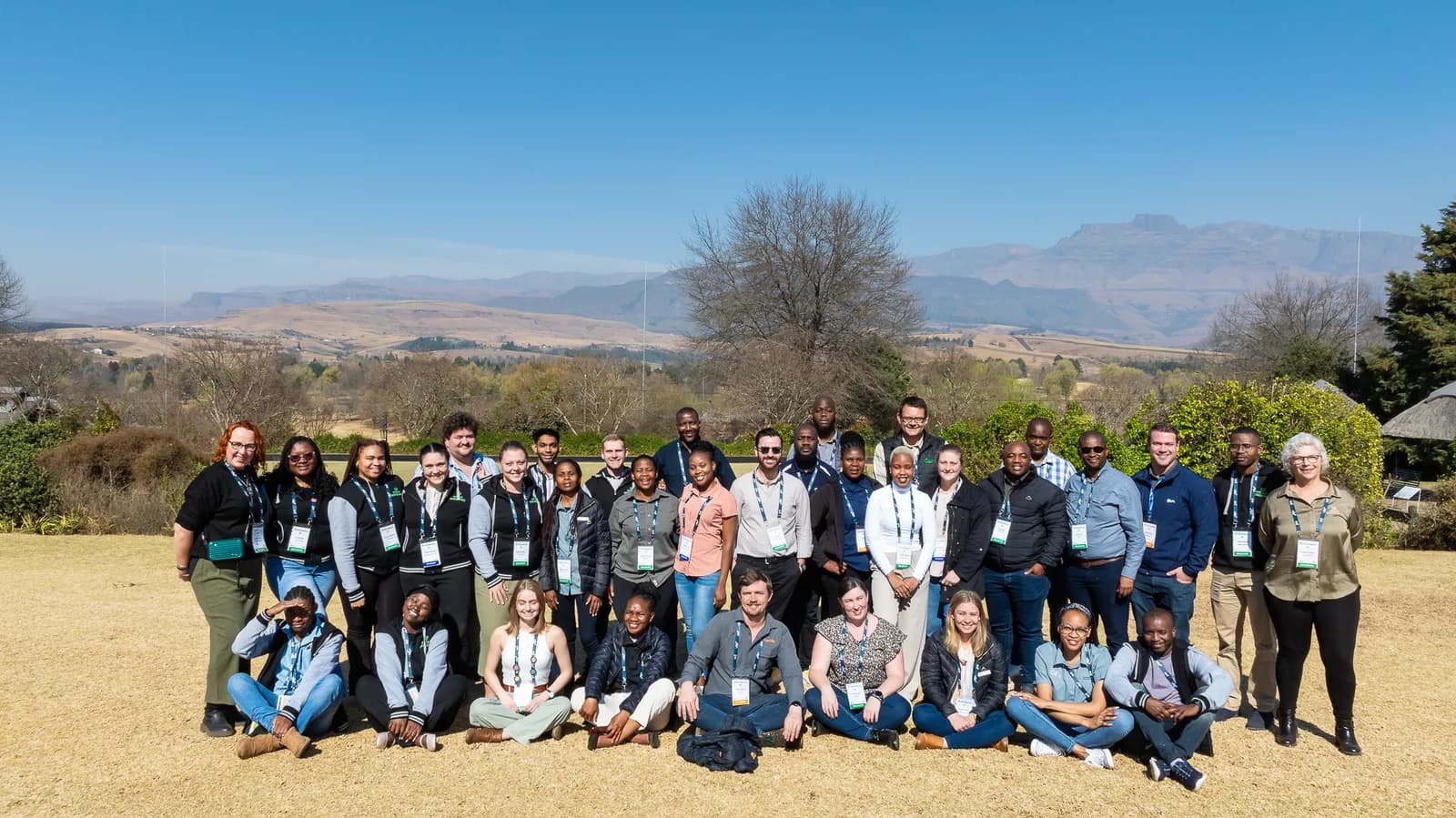
Run by the Citrus Growers’ Association of Southern Africa, the fund was established to develop the scientists, technicians, managers and specialists needed across citrus production, packing, research, inspection and logistics. Its role is becoming increasingly important as South Africa’s citrus industry targets further export growth.
Building a workforce for a larger industry
South Africa packed a record 203.7 million cartons of citrus for export last year, compared with about 72 million cartons in 2005. The CGA’s Vision 260 strategy aims to increase exports to 260 million cartons by 2032. According to Citrus Academy General Manager Jacomien de Klerk, reaching that target will require investment in people alongside investment in orchards, infrastructure and market access. The Academy supports students across disciplines including plant pathology, agricultural economics, engineering and food science, with bursary decisions based on academic performance, financial need, field of study, institution and involvement in the citrus sector.
More than bursary funding
The programme also focuses on practical experience. Over the past two decades, the Academy has facilitated 617 experiential learning opportunities, including vacation work, congress participation and AgriSETA-funded internships. Last year, 89% of participants in Academy programmes were from previously disadvantaged groups and 47% were women.
The organisation also adjusts its bursary priorities, short courses and work-readiness programmes according to feedback from growers, packhouses, research committees, universities and agricultural colleges. That approach appears to be keeping skills within agriculture. Around 40% of graduates are employed directly in the citrus industry, while another 43% work elsewhere in agriculture, academia or government.
Why this matters for South African citrus growers
For growers, skills development is becoming a production issue as much as a social one.Larger crops and more sophisticated export programmes require trained people to manage everything from disease control and orchard technology to residue compliance, quality systems, packhouse operations and market logistics.
If Vision 260 is achieved, the industry could also create more than 100,000 additional jobs. That makes the availability of suitably trained people critical. Expanding orchards without expanding the skills pipeline could create bottlenecks in the very systems needed to support future growth.The Citrus Academy’s 20-year track record therefore reflects a broader reality for South African agriculture: long-term export growth depends not only on land, infrastructure and markets, but also on having enough skilled people to support them.
Watch Jacomien de Klerk's recent interview on the Lucentlands Podcast below: