
Government increases El Niño contingency reserve to R10 billion as fruit growers face uncertain season
South Africa's government has doubled its contingency reserve to R10 billion to prepare for the potential economic impact of the developing El Niño, as concerns grow about the effects of hotter, drier weather on agricultural production during the 2026/27 summer season.
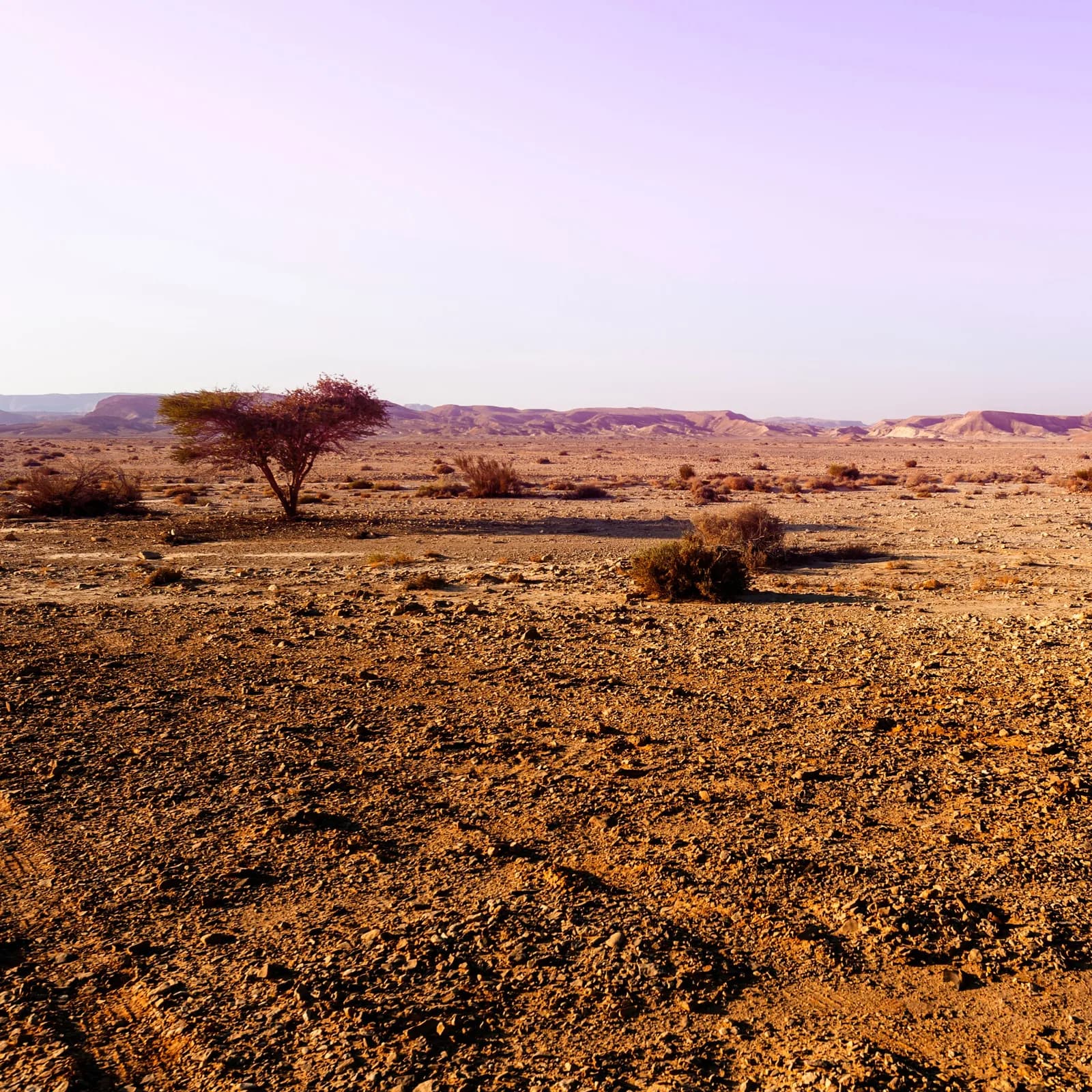
. The announcement comes as fruit growers prepare for a season of increased climatic uncertainty, compounded by rising production costs and pressure on water resources.
Presenting the Medium-Term Budget Policy Statement in Parliament on 21 October, Finance Minister Enoch Godongwana identified El Niño as a significant risk to South Africa's economic outlook, warning that its effects on agricultural production and costs could further weaken economic growth.
Government has consequently increased its contingency reserve from R5 billion to R10 billion to respond to potential El Niño-related threats and other unforeseen risks.
The decision follows warnings from the South African Weather Service that the developing El Niño could bring below-normal rainfall and above-normal temperatures to large parts of the country during the coming summer.
For South Africa's fruit export industry, the greatest concerns are concentrated in the northern and northeastern citrus-producing regions, where reduced rainfall and higher temperatures could increase irrigation requirements and place pressure on water supplies.
Irrigated table grape production in the Northern Cape could face similar challenges, while Western Cape pome and stone fruit growers are also monitoring water availability and the potential effects of elevated summer temperatures on fruit development and quality.
Although favourable rainfall during the previous season has left many agricultural regions with relatively good water reserves, agricultural economists have cautioned that prolonged hot, dry conditions could still affect production volumes and profitability.
Fuel relief and additional agricultural support
Beyond the El Niño contingency reserve, Godongwana announced several measures relevant to agricultural producers.
Government will provide temporary fuel levy relief, reducing the diesel levy by R3 per litre and the petrol levy by R1.50 per litre from 4 November to 1 December 2026. The reductions will then decrease to R1.50 for diesel and R1 for petrol until 5 January 2027.
The fuel relief package, valued at R10 billion in foregone revenue, is separate from the El Niño contingency allocation.
This intervention is particularly relevant to fruit growers facing rising costs for irrigation, mechanised operations and the transportation of fresh produce to packhouses and export ports.
The budget also provides an additional R1.5 billion over three years to employ more agricultural extension officers, strengthening technical support available to farming communities.
Godongwana stated that these officers "will continue to provide crucial support to farming communities."
What does this mean for fruit exporters?
For South Africa's export fruit industry, the increased contingency reserve signals government recognition of the potential economic consequences of a severe El Niño season. However, it does not constitute a direct allocation of R10 billion to fruit growers, and the mechanisms through which agricultural producers might receive assistance have not yet been specified.
The temporary diesel levy reduction could offer more immediate relief by reducing some of the cost pressures associated with fruit production and distribution, although its benefits will depend on prevailing fuel prices.
With competing Southern Hemisphere fruit-exporting countries also facing El Niño-related weather risks, South African growers must prepare for possible changes in both domestic production conditions and international fruit supplies.
While government intervention provides an additional measure of economic preparedness, the immediate priority for South African fruit growers remains careful water management, financial planning and preparation for extreme temperatures. The effectiveness of government's response will ultimately depend on how quickly and efficiently support can be directed to agricultural regions should severe weather conditions materialise.
Sources
https://www.sanews.gov.za/south-africa/finance-minister-announces-fuel-levy-relief