
Cape Town port performance remains critical for Western Cape fruit exporters
Western Cape Agriculture Minister Ivan Meyer has renewed calls for greater private-sector involvement at the Port of Cape Town, arguing that persistent logistics problems continue to impose unnecessary costs on fruit growers and exporters.
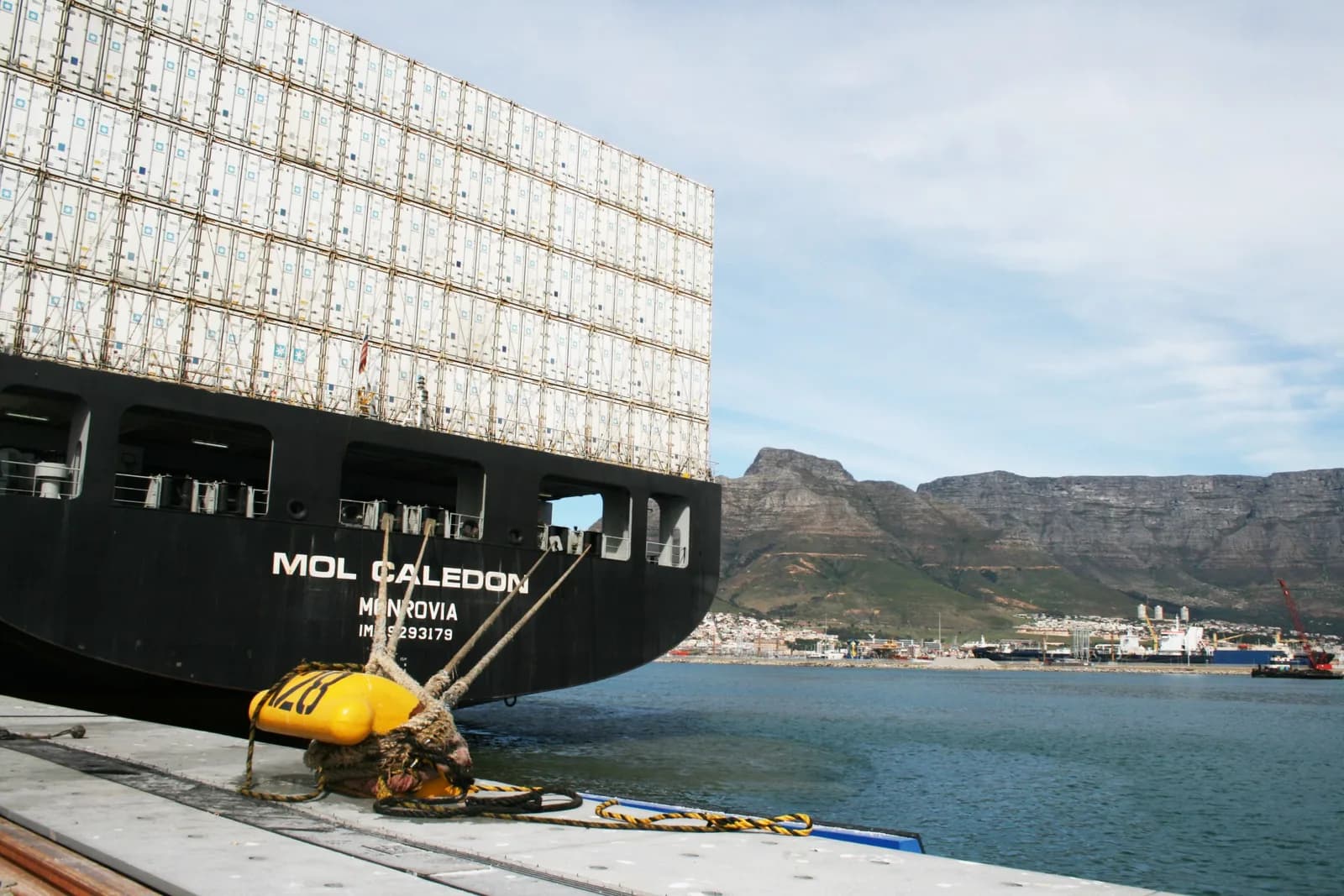
Speaking at Nampo Cape 2026, Meyer called for full privatisation of the Cape Town port terminal after another season in which agricultural exporters were forced to reroute significant volumes through Eastern Cape ports. An estimated 55,000 tonnes of table grapes were diverted during the previous peak export period because of operational challenges at Cape Town, with pome and stone fruit exporters also affected. For growers, these diversions mean longer road journeys, additional transport costs and greater complexity in getting highly perishable fruit to export markets.
Private operator process under way
Transnet National Ports Authority is currently seeking a private operator for the Port of Cape Town’s multi-purpose terminal at berths B, C and D. The proposed 25-year concession would see the successful operator finance, operate, maintain and refurbish or develop the terminal. The process applies specifically to the multi-purpose terminal and is separate from the Cape Town Container Terminal used extensively by fresh-produce exporters. That distinction is important, as the current concession process does not amount to the privatisation of the entire Port of Cape Town.
Performance shows signs of improvement
Recent operating figures suggest that conditions at the container terminal are improving ahead of the next major deciduous-fruit export period. Transport Minister Barbara Creecy reported that container volumes increased by 16% during the first quarter of the 2026/27 financial year compared with the same period a year earlier.
Average vessel waiting time fell from 115 hours to 44.3 hours, while ship turnaround time improved from 103 hours in 2023/24 to about 55 hours year-to-date. New equipment and operational changes have also been introduced, including rubber-tyred gantry cranes, additional straddle carriers and shore-tension units intended to reduce weather-related downtime.
Why this matters for South African fruit growers
Cape Town is a critical export gateway for the Western Cape’s table grapes, apples, pears, stone fruit and citrus. When the port cannot move fruit efficiently, growers ultimately carry much of the additional cost through longer transport routes, shipping delays and increased risks around fruit quality and market arrival times. The experience of having tens of thousands of tonnes of grapes redirected to Eastern Cape ports demonstrates how quickly infrastructure problems can affect farm-level profitability.
Improved performance this year is therefore significant, but exporters will be watching closely to see whether those gains can be maintained through the coming peak fruit season. For Western Cape producers, reliable port performance remains one of the most important factors outside the farm gate in determining whether high-quality fruit can reach international customers competitively and on time.