
New blueberry genetics face Southern Africa’s toughest test: local conditions and market fit
Southern African blueberry growers are being encouraged to look beyond headline yield when selecting new cultivars, as breeders test genetics across the region’s highly varied climates and export requirements continue to shift.
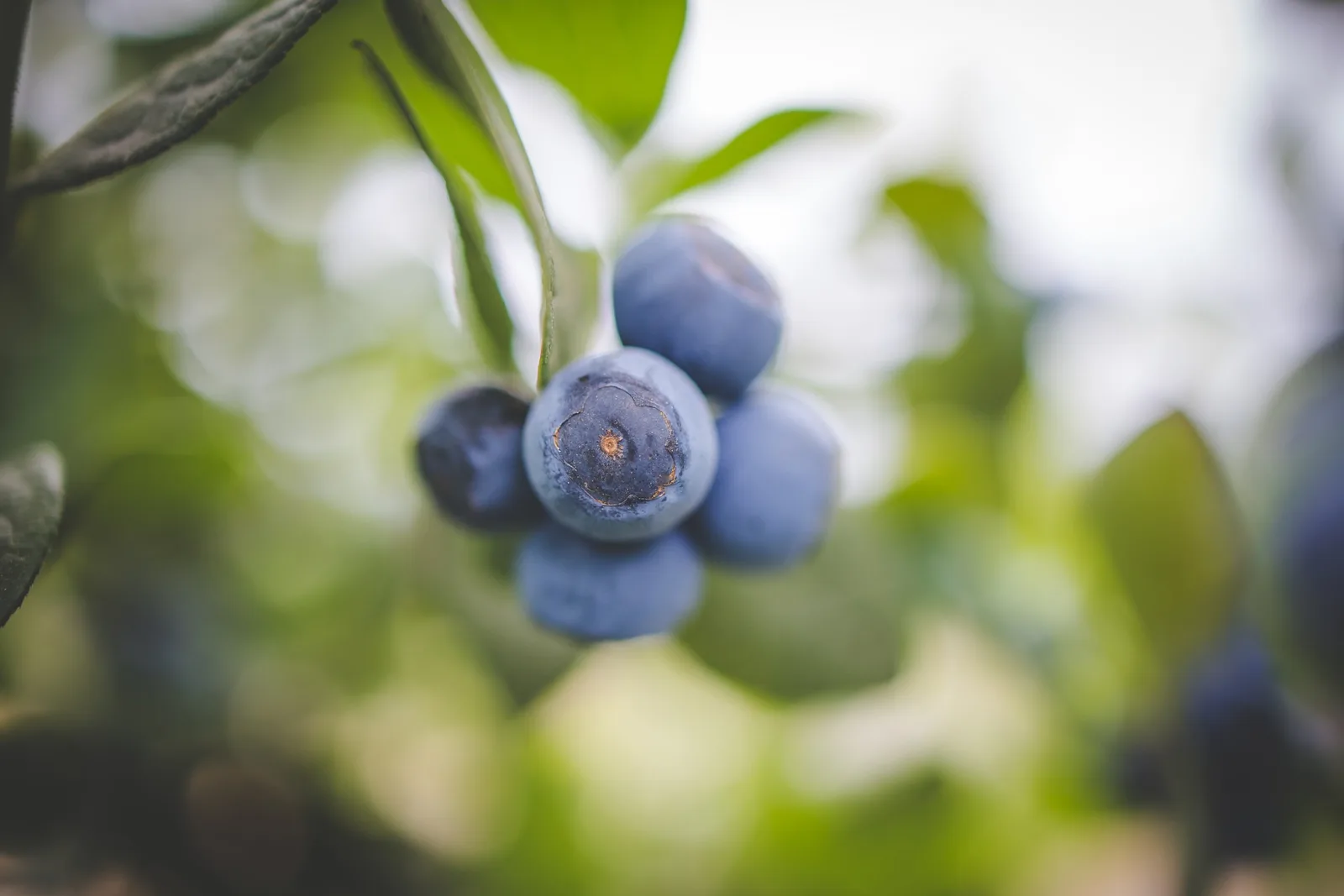
Fall Creek is currently trialling new blueberry material across Southern Africa, where conditions range from near-equatorial production in Kenya to cooler Western Cape growing regions. The key issue for growers is whether a cultivar can deliver the right combination of yield, fruit quality, shelf life, timing and market suitability under local conditions.
New selections still need local validation
Among the material under evaluation is FCM20-002, a high-yielding Mexican selection with a relatively concentrated harvest peak, sweet flavour and average shelf life. Performance data presented for the selection comes from trials in Mexico and Spain and still needs to be validated under Southern African conditions. Fall Creek is also comparing pipeline material with established cultivars including Apex, AzraBlue and Sekoya Pop. That local testing is critical because a cultivar that performs well in one production region cannot automatically be expected to behave the same way elsewhere.
Southern Africa’s climate is both a challenge and an opportunity
Fall Creek uses grower-based row trials to test selections under commercial conditions. This is particularly important in Southern Africa, where differences in latitude, altitude, temperature and production systems create a highly complex growing environment. Some selections may be better suited to specific regions. FCE21-024, for example, has been distributed selectively in Zimbabwe and Kenya but not yet in South Africa, with more potential currently seen for the Western Cape than northern production areas. The region’s diversity could also become an advantage by allowing producers across different countries and climatesto supply fruit over a wider annual window.
Market requirements increasingly shape cultivar choice
The genetics discussion comes as South African blueberry exporters look towards broader market opportunities. Negotiations for access to China are at an advanced stage, with a draft import protocol already submitted by Chinese authorities. At the same time, the global blueberry market is becoming more quality-driven. Competition is increasingly centred on fruit firmness, flavour, consistency, shelf life and eating experience rather than simply expanding production volumes. For growers, this means cultivar selection needs to match not only the farm environment but also the expectations of the intended customer.
Breeding decisions are made years ahead
Developing a new blueberry variety is a long process. Fall Creek says its breeding programme involves around 300 crosses and about 30,000 seedlings entering evaluation each year, with only a small proportion progressing through the trial process. A cultivar can take eight to 15 years to move from early breeding work to commercialisation. That means breeders must anticipate future grower and market needs well before a variety reaches commercial orchards.
Plant quality still matters
Genetics alone do not determine orchard performance. Fall Creek South Africa operations manager Andries van Rhyn says growers also need healthy, uniform plants with strong root systems, accurate varietal identity and proper traceability. Nursery production can take around 14 to 18 months, depending on season and plant material, making forward planning essential. Poor-quality plants can restrict orchard performance before commercial production has properly started.
Why this matters for South African growers
For South African blueberry producers, cultivar choice is becoming increasingly strategic. Future success will depend on selecting genetics that perform consistently under local conditions while also meeting the quality standards of increasingly demanding export markets. Potential access to China may broaden the marketing landscape, but new markets will not automatically reward every variety. Growers will still need cultivars that deliver the right fruit quality, shelf life and harvest timing for the target market. The central question is therefore no longer simply which blueberry variety yields the most, but which variety performs best in a specific region, production system and market window.